ZoomMate Aims to Turn Meeting Decisions Automatically into Tasks
Zoom has unveiled an AI agent meant to turn meeting results directly into concrete work steps. ZoomMate connects to enterprise systems and automates the implementation of decisions.

Zoom has unveiled an AI agent meant to turn meeting results directly into concrete work steps. ZoomMate connects to enterprise systems and automates the implementation of decisions.
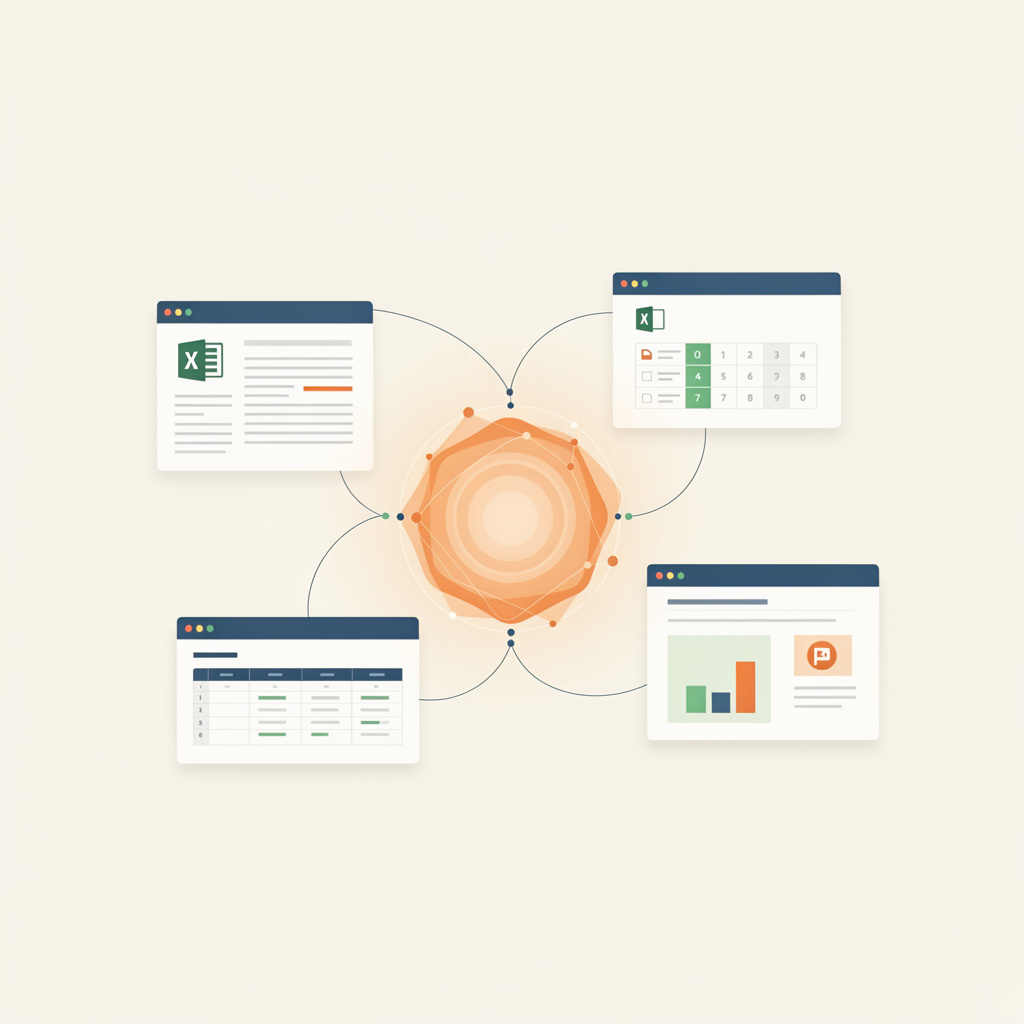
An AI add-in makes Claude available inside Word, Excel, and PowerPoint. The solution preserves context across several applications and is meant to reduce media breaks when working on documents.

Researchers have developed an ultra-thin patch that processes body data without external servers. The flexible electronics are said to detect critical conditions within milliseconds.

Moonshot AI has unveiled Kimi K3, an AI model said to keep pace with leading Western models in programming tests while being considerably cheaper. The model, with 2.8 trillion parameters, is to be released as open source.

What a Language Model at Home Demands in Terms of Computer, Memory and Patience It is a Sunday evening in February, and Jonas is sitting in front of a file selection dialog. On the desk in front of him lies his father’s folder. Doctors’ letters, findings, a four-page medication plan, plus correspondence with the health
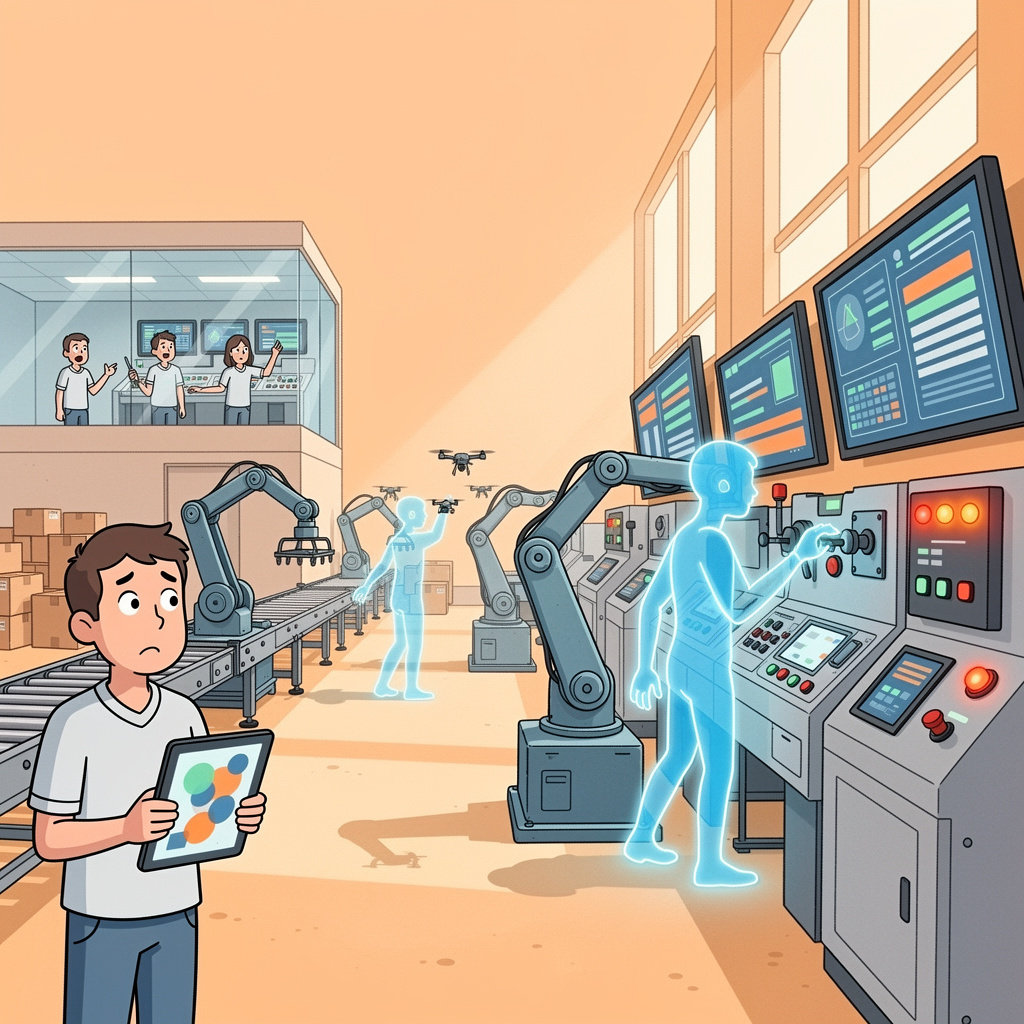
AI agents are leaving the experimental space and pushing into production systems – often faster than companies are prepared for. What holds this week together is the tension between technical possibility …

Windows 11 comes with several AI-powered functions, among them local real-time captioning, automated speech translation and the controversial Recall feature for searching past screen content. Many features, however, depend on the hardware.

A new beta version makes it possible to use AI directly in PowerPoint. The add-in is available to all account types and helps with creating and revising slides through natural language commands.
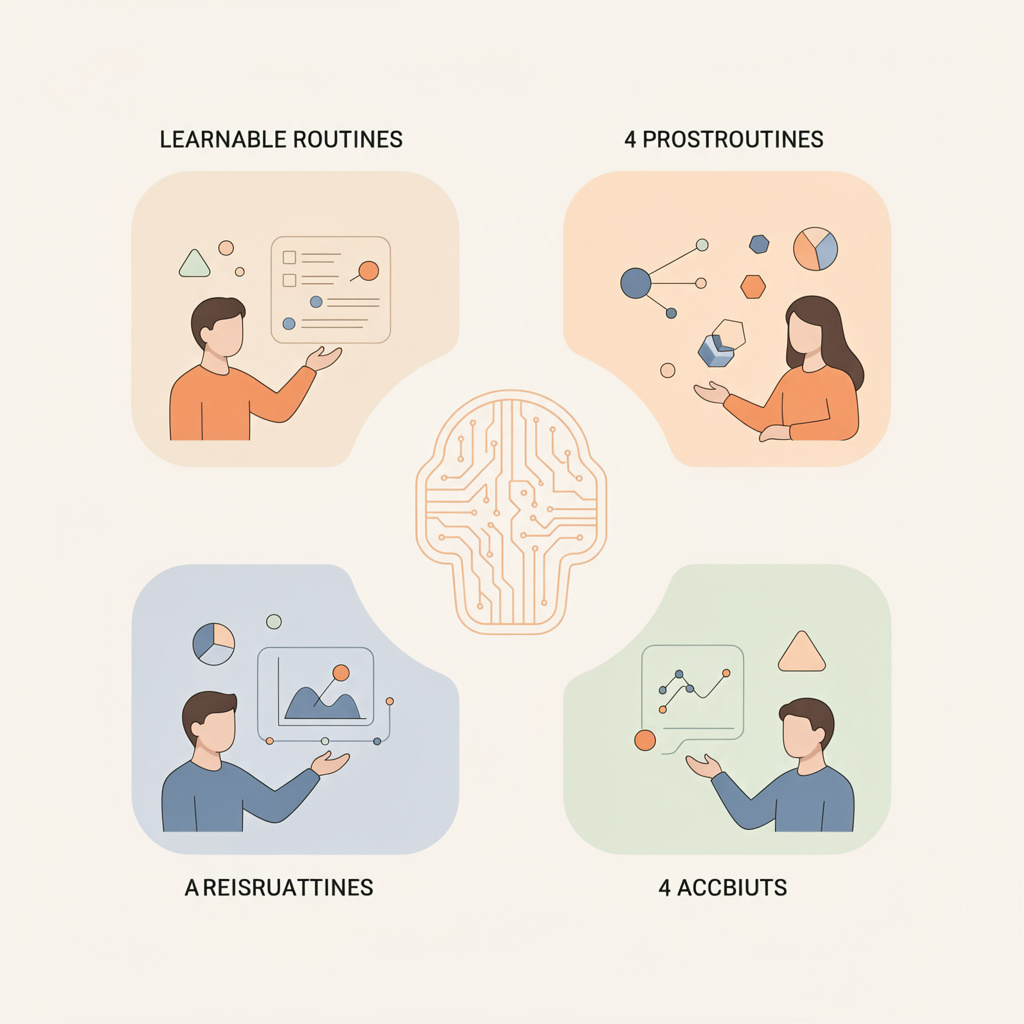
Research identifies four learnable routines – systematic use, creative experimentation, effective workflows, and regular reflection – that separate AI professionals from occasional users.
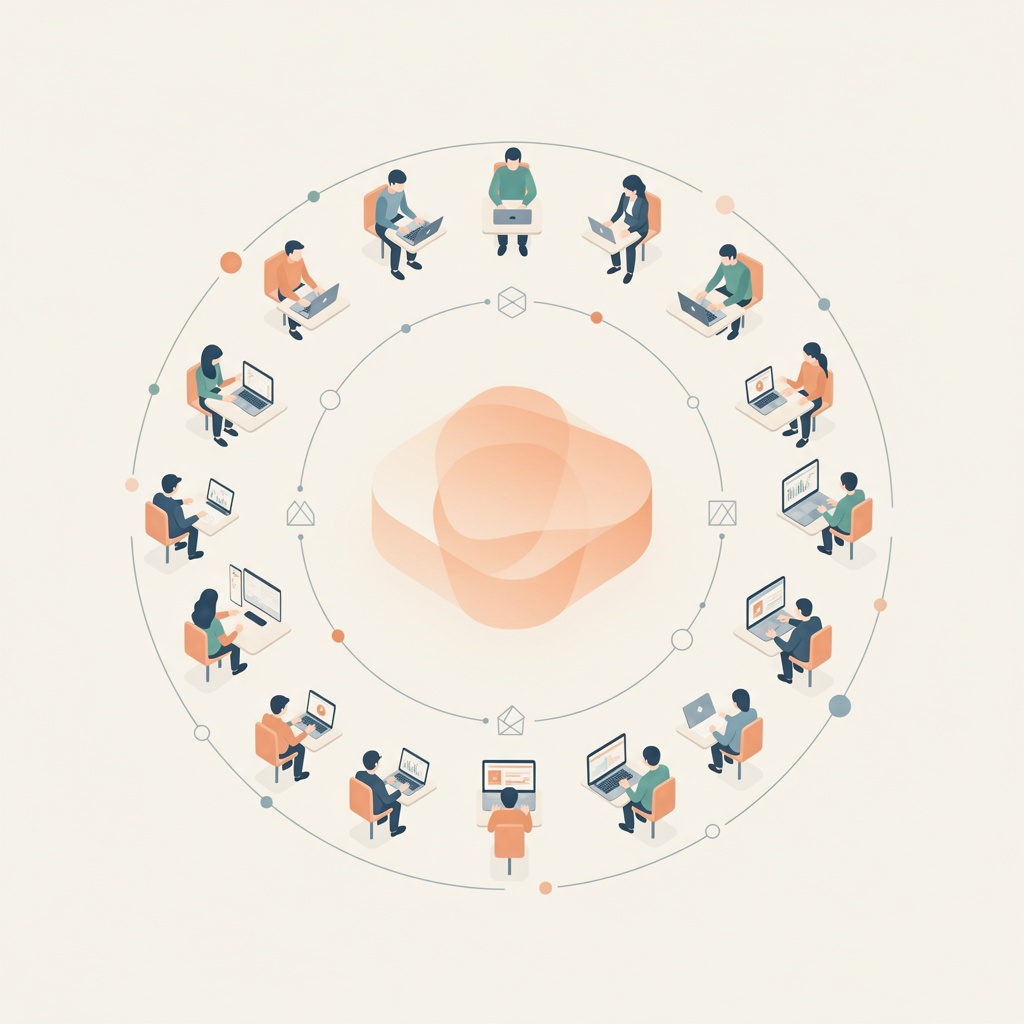
Accenture is deploying Microsoft 365 Copilot to its entire workforce of 743,000 after pilots with 200,000 users, in one of the largest company-wide AI implementations to date.