Why AI Projects Fail: Instructive Examples
Around 85 percent of AI and analytics projects never reach production. The causes are rarely technical: unclear goals, poor data governance, missing user feedback, and overengineering.

Around 85 percent of AI and analytics projects never reach production. The causes are rarely technical: unclear goals, poor data governance, missing user feedback, and overengineering.
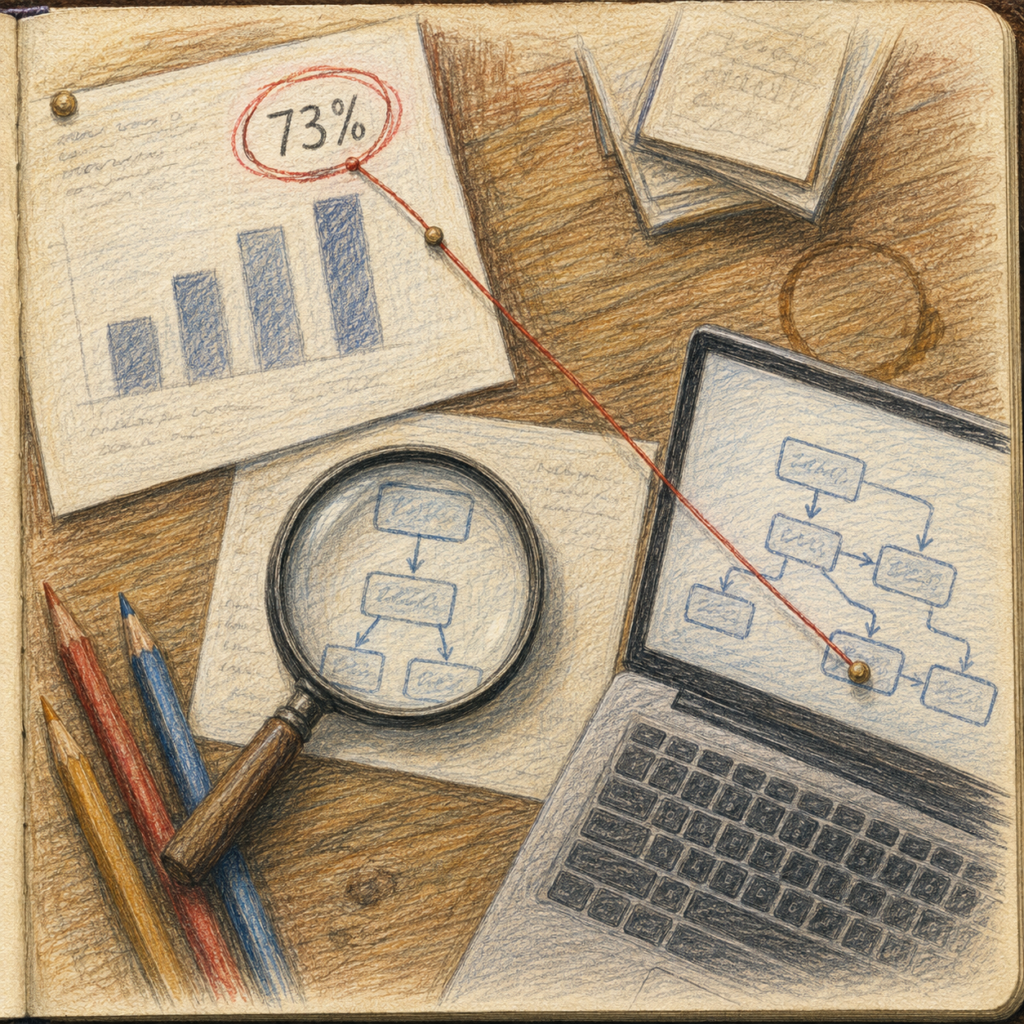
A hands-on experiment with Claude Cowork or ChatGPT Codex, browser control and Process Mining, with a look at MCP and SAP Joule. On the slide was a percentage. Next to it a country comparison, below it a recommendation with a business case that was to be decided on within a few weeks. The only question
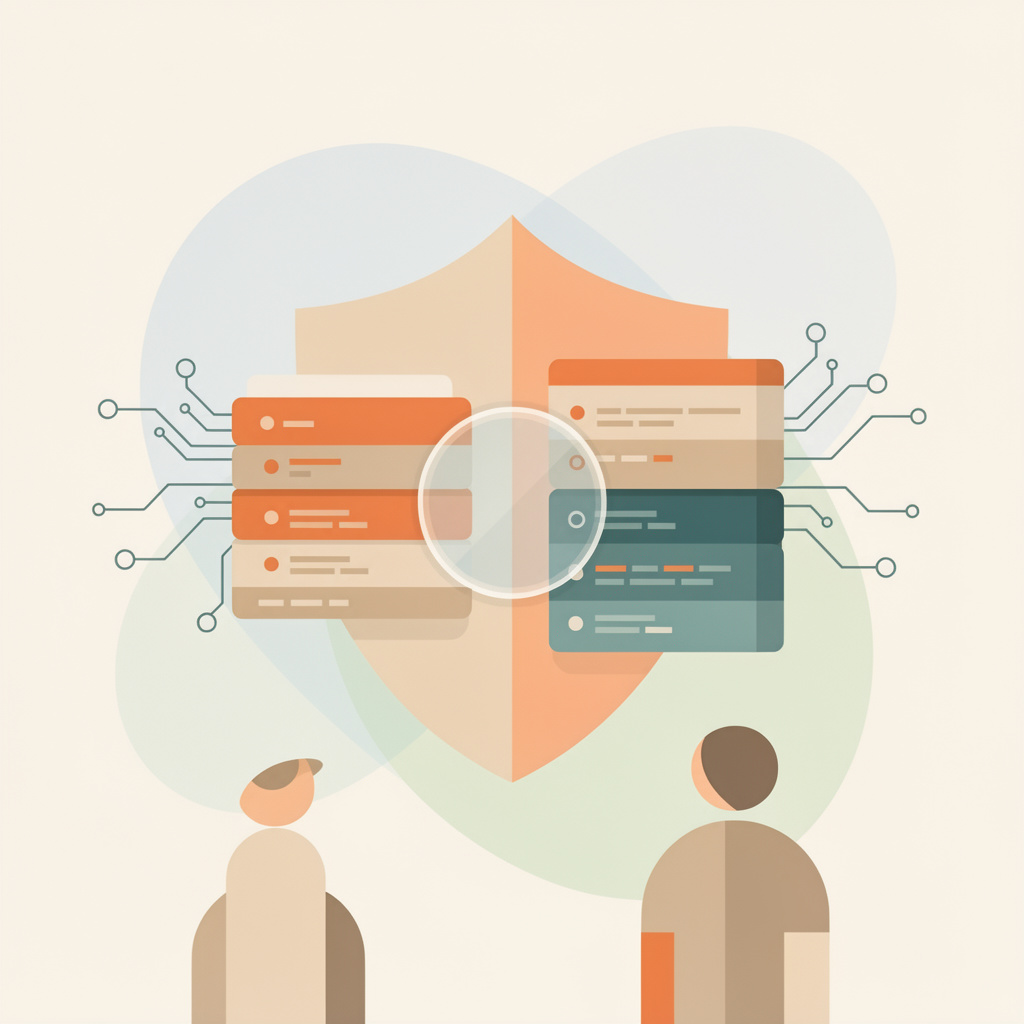
Anthropic’s Claude Security analyzes GitHub repositories with Claude Opus 4.7, tracing data flows to find complex vulnerabilities and integrating with Claude Code, Slack, and Jira.
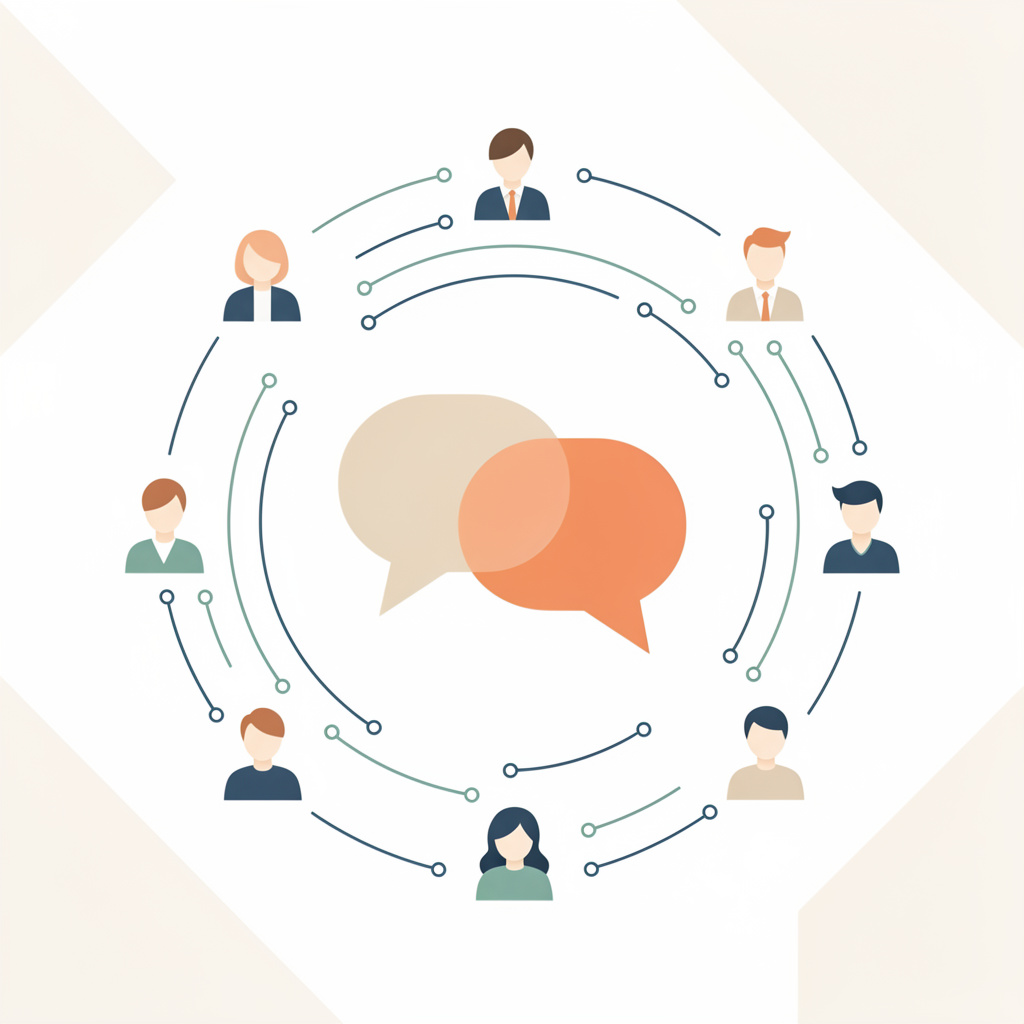
DeepL’s new Voice-to-Voice line delivers real-time speech translation across up to 40 languages for meetings, in-person conversations, and API integration into third-party software.
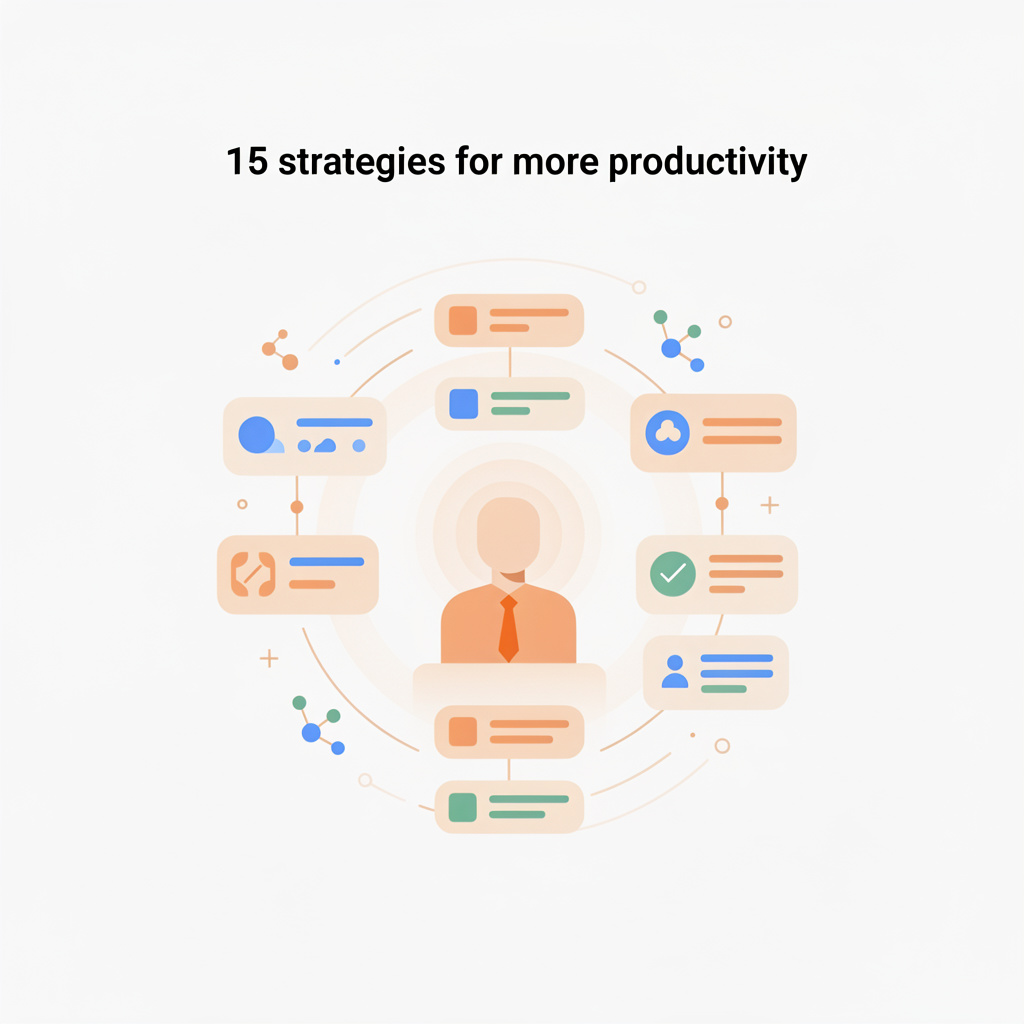
Executives using AI assistants like ChatGPT Work or Claude Cowork can raise productivity by up to 44 percent – provided they apply prompt frameworks such as RAFT or RACE systematically.
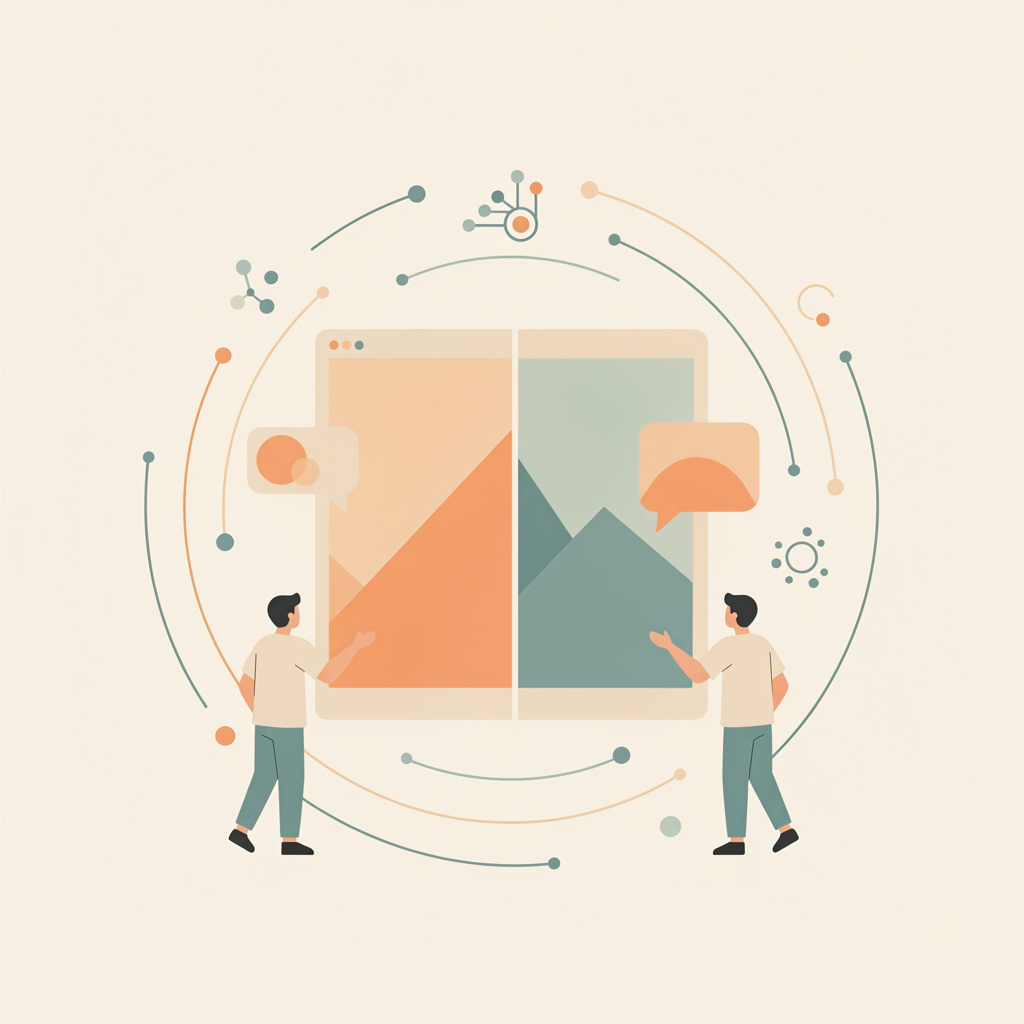
AI photo editors like Luminar Neo automate enhancement, object removal, sky replacement, and portrait retouching – delivering professional results without deep Photoshop knowledge.
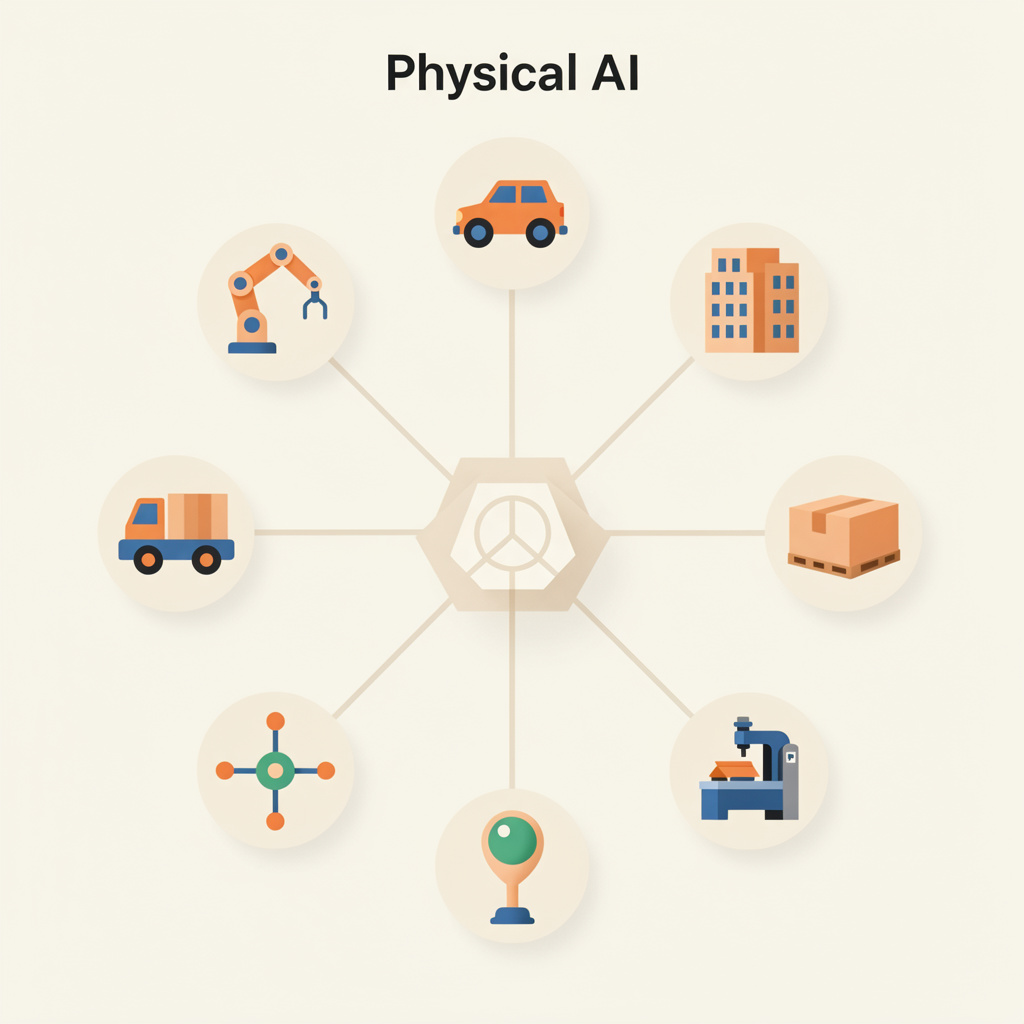
Physical AI combines artificial intelligence with robots and machines acting in the real world – across manufacturing, logistics, buildings, and smart cities, in a market forecast to near $500 billion.

Two self-hosted AI assistants compared: features, smart home, cost, security, and digital self-determination Let’s imagine Jonas. It’s a Tuesday evening in March, it’s drizzling outside, and Jonas is sitting on his bike at a red light. His hands are cold, his head is full, and suddenly there’s this one thought: the garage door. Did he
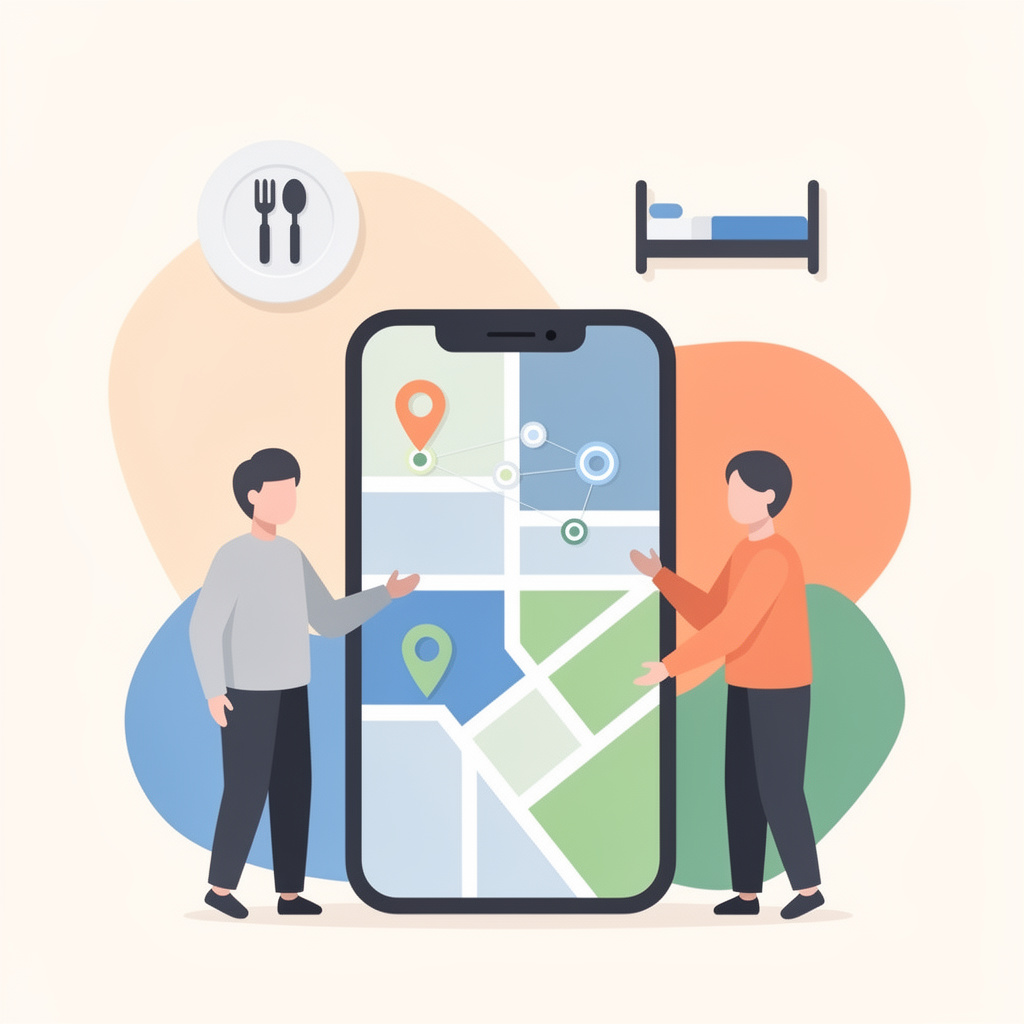
Google’s Gemini-powered Ask Maps lets users order meals and book hotels without leaving the map app, using natural-language queries and personalized preferences.
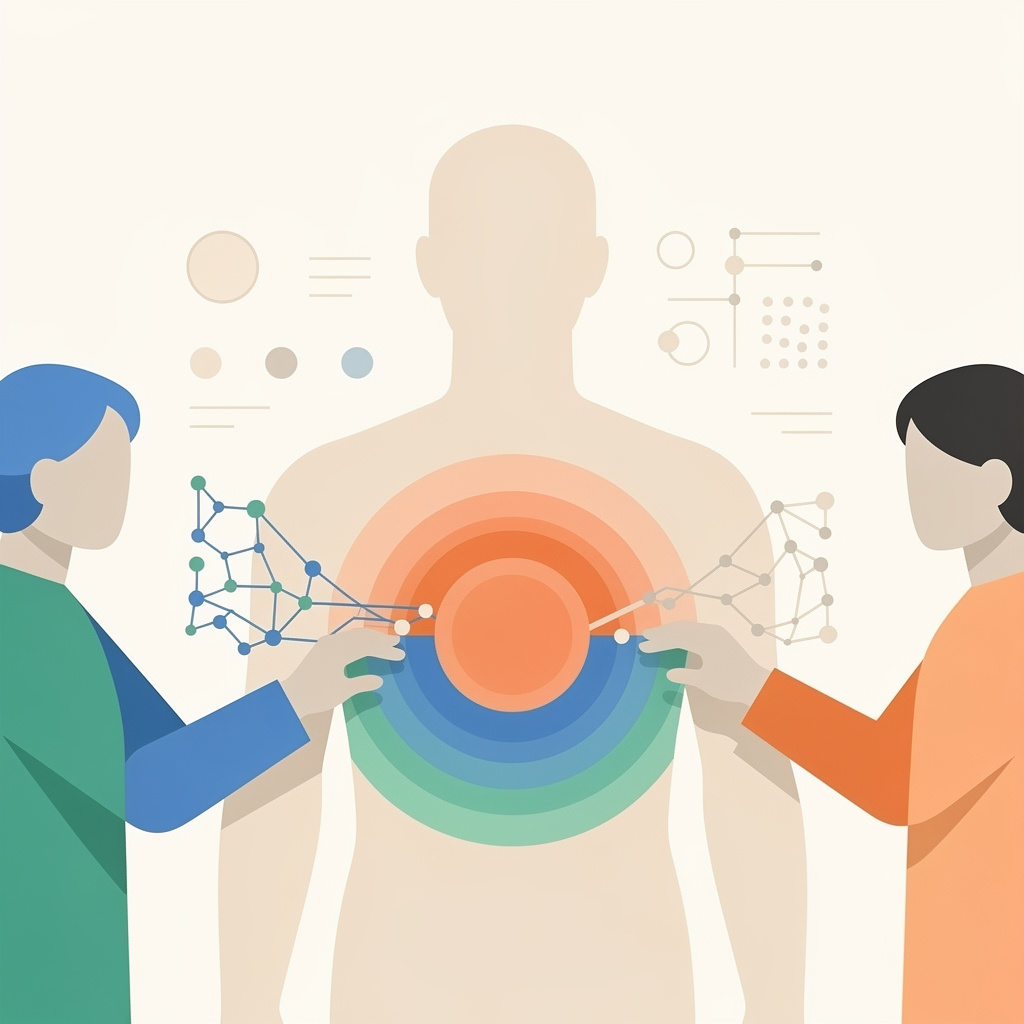
AI helps detect tumors earlier, tailor therapies to genetic profiles, and adapt treatment plans during therapy – potentially avoiding or better preparing invasive surgery.