Notice: This article was created with AI.
What’s This About?
Autonomous AI agents are emerging as an important tool for business automation. These so-called agentic AI systems can independently handle complex tasks — from gathering information and managing files to executing system commands. The most prominent example is OpenClaw, which gained enormous popularity in a very short time and reignited the debate about the opportunities and risks of this technology.
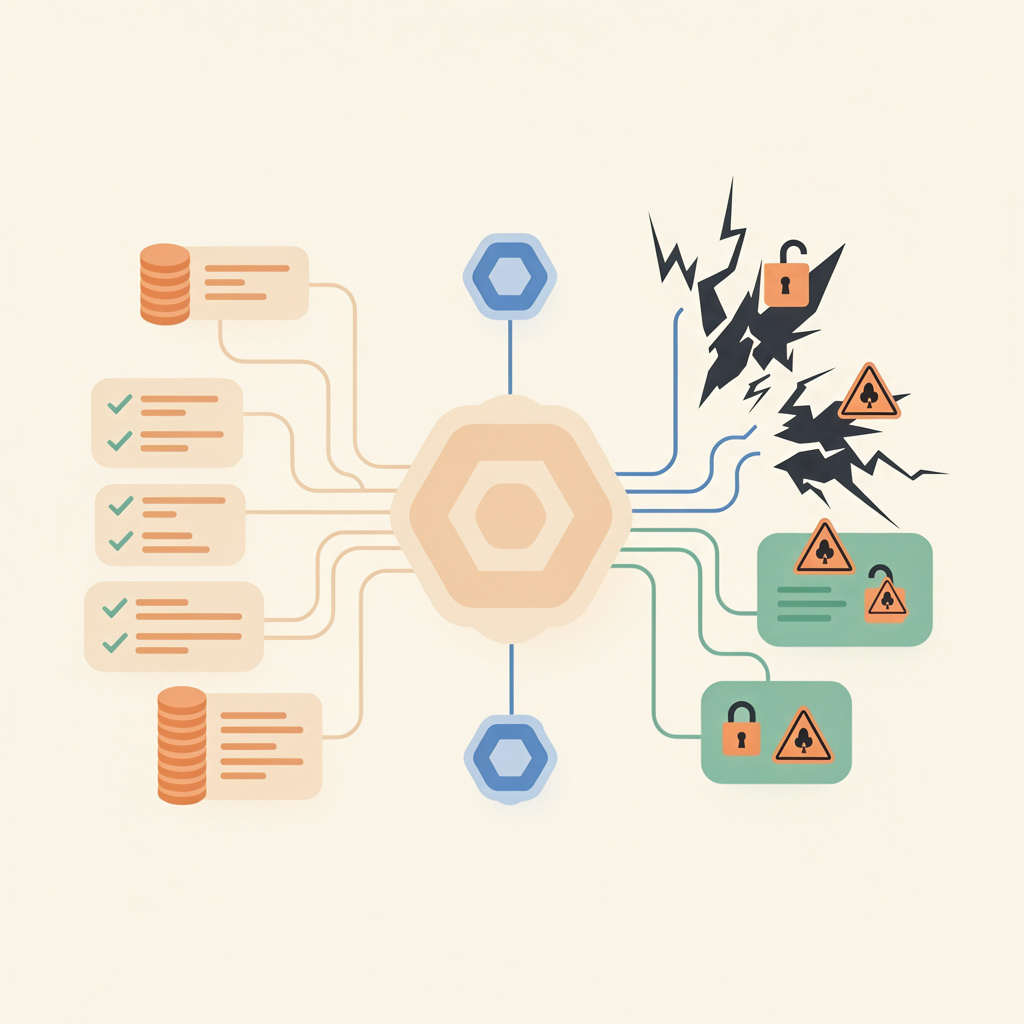
The downside of autonomy: without adequate security precautions, these intelligent assistants can become serious vulnerabilities. Particularly problematic are so-called prompt injection attacks, in which attackers gain control over the agents through manipulated inputs.
Background & Context
OpenClaw has a remarkable success story. Originally conceived as Clawdbot, the tool accumulated over 250,000 stars on GitHub within just a few weeks, surpassing established projects at record speed. Its integration into popular messaging platforms like WhatsApp or Telegram makes these AI agents particularly accessible and significantly lowers the barrier to entry.
Unlike traditional chatbots, these autonomous systems can execute shell commands, send emails, and independently access system resources. These capabilities make them powerful productivity tools, but simultaneously open up new attack vectors. A central problem: many organizations have no complete overview of which AI agents are active in their infrastructure and what permissions they have.
Security experts warn of the dangers of improperly configured systems. When AI agents are equipped with extensive system rights, errors or manipulated inputs can lead to data leaks or system compromises. Manipulation through cleverly formulated instructions — known as prompt injection — poses a particularly insidious threat.
What Does This Mean?
- New automation potential: Agentic AI enables the automation of complex workflows that previously required human intervention, promising efficiency gains across many business areas.
- Rethinking security architecture: Companies must adapt their security concepts to the new reality of autonomous agents and implement strict permission frameworks and monitoring systems.
- Transparency as the key: IT departments need complete visibility into deployed AI agents, their permissions, and activities in order to minimize security risks.
- Finding the balance: The challenge is to leverage the productivity benefits without compromising organizational security — robust configuration and continuous monitoring are essential.
Sources
- Agentic AI: Productivity Booster with Security Risk (Computerwoche)
- OpenClaw and Moltbook Explained: The Hype Around AI Agents (Computer Weekly)
- AI Security Risks: OWASP Top 10 for Agentic AI Applications (heise online)
- AI Agents: Security Risk Instead of Productivity Miracle? (it-daily)
Further Reading: From Text Generator to Digital Employee: How AI Is Changing the World in Four Stages
📥 Free download: Free AI Training: Generative AI & Prompt Engineering – Download Now
📥 Free download: Download: Your AI Coach for Difficult Leadership Situations – Free