Notice: This article was created with AI.
What’s It About?
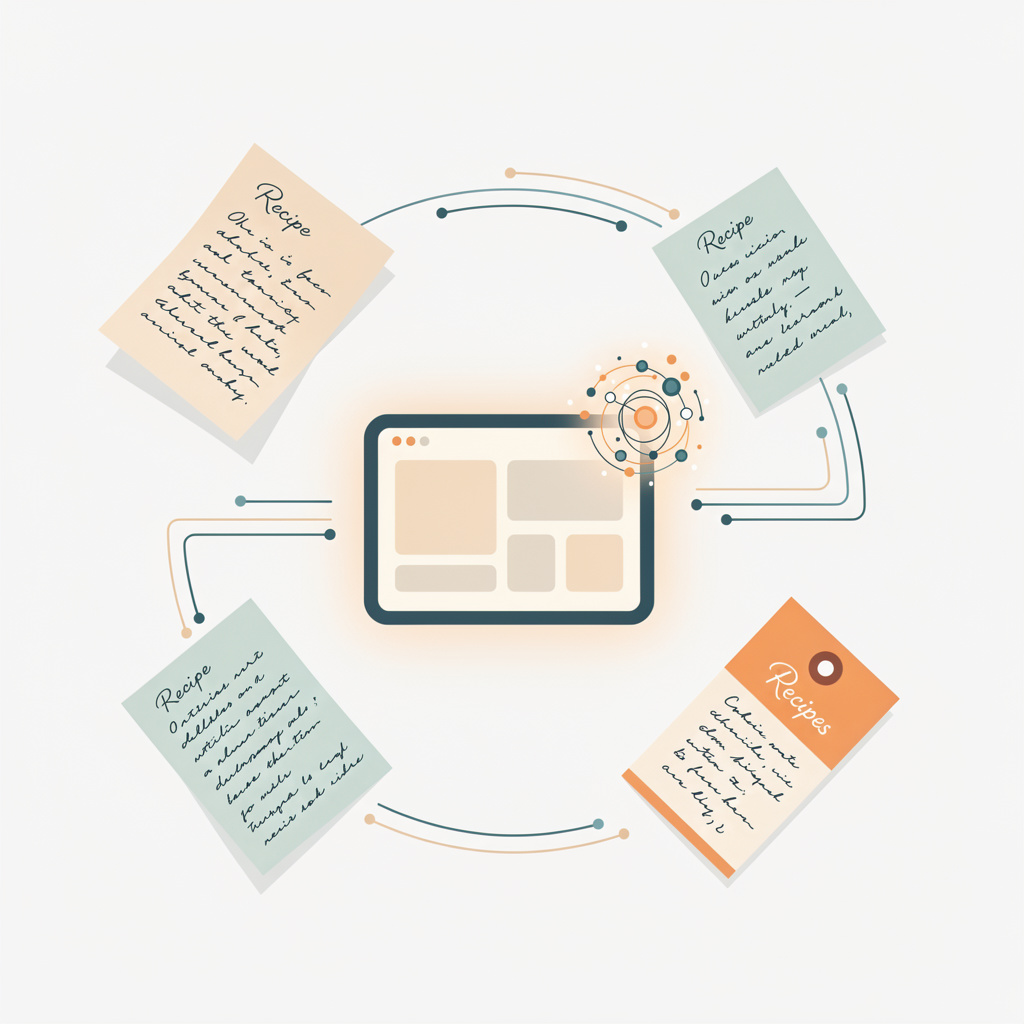
Vision-capable large language models are opening up new possibilities for digitizing handwritten documents. Systems such as Gemma 4 can extract text from photographs, analyze it, and convert it into structured digital formats — all running entirely on local hardware, with no cloud connection required. The technology is particularly well suited for processing personal notes, recipe collections, and other handwritten records.
Because everything runs locally, sensitive data stays on your own device while still achieving high processing quality.
Background & Context
Vision language models combine image processing with advanced language capabilities. Unlike conventional OCR software, they do not merely recognize characters — they can also understand context, categorize content, and structure the output in formats such as Markdown. The models show clear advantages over traditional recognition systems especially when dealing with difficult-to-read handwriting.
For practical use, Python-based workflows can be developed to process multiple image files automatically. Tools like Ollama or LM Studio provide user-friendly interfaces for running vision models without deep programming knowledge. Using Nvidia GPUs significantly accelerates processing, making even larger batches of images manageable.
The technology is highly adaptable: users can define specific requirements, for instance for multilingual content or domain-specific documents such as cooking recipes. That said, these systems are not infallible — illegible handwriting may still require manual post-processing. Accuracy depends heavily on the quality of the photographs and the legibility of the original writing.
What Does This Mean?
- Vision language models democratize high-quality text recognition by running locally, with no dependency on cloud services
- Integration into personal workflows enables efficient digitization of private archives and document collections with complete data control
- For developers and technically proficient users, new possibilities open up for automating document-heavy processes with customizable scripts
- The technology represents a significant quality leap over classical OCR, though it does not yet achieve 100% reliability with problematic originals
- GPU acceleration makes processing even larger document batches practical and suitable for everyday use
Sources
- Running LLMs Locally: Digitizing Handwritten Notes, Recipes and More with Vision AI (Heise)
- Gemma Vision Capabilities Documentation (Google AI)
- Gemma 4: What Computer Vision Engineers Actually Need to Know (Datature)
- Chefkoch Uses Text Recognition to Bring Handwritten Recipes to the Cloud (Google Cloud Blog)
This article was created with AI assistance and is based on the listed sources and the training data of the language model.
Further Reading: AI Images: Three Years in Which We Learned to Doubt Images and Love Them Anyway