Notice: This article was created with AI.
What’s It About?
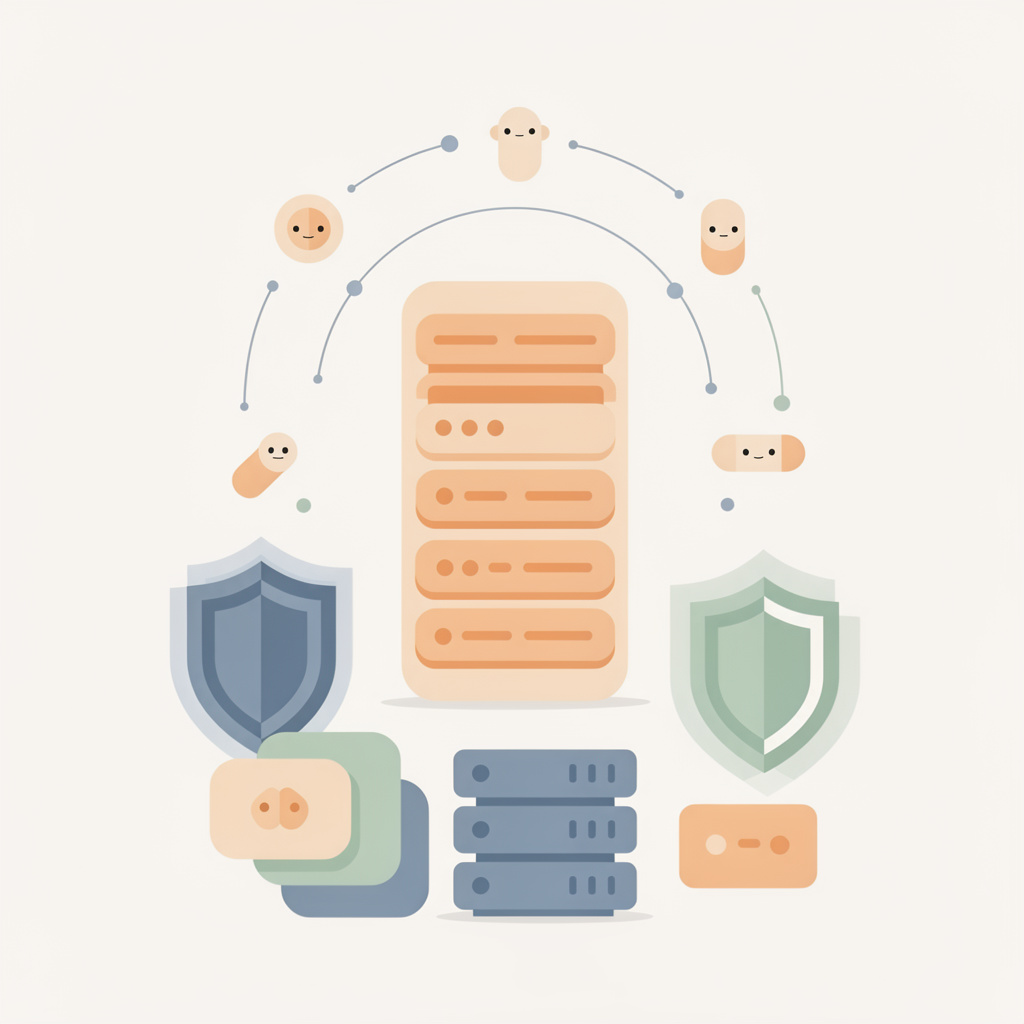
Companies are increasingly adopting Model Context Protocol (MCP) Registries to systematically connect AI agents with available servers and tools. These central directories allow autonomous systems to independently identify and access the right resources — without manual integration steps. Organizations face a key choice between publicly accessible and privately operated registries, each offering different levels of security and control.
Background & Context
An MCP Registry functions as a structured catalog that documents authorized MCP servers along with their capabilities and configuration requirements. AI agents can browse these directories autonomously and communicate directly with listed servers — eliminating the need for manual integration. This automation significantly reduces administrative overhead and speeds up the rollout of new capabilities.
Several providers have already staked out positions in this space. Kong, for example, has integrated an MCP Registry into its Konnect platform to improve connectivity for AI agents. GitHub also offers a registry solution for rapid discovery of AI tools. The technical demands on such systems are considerable: they must manage extensive metadata, implement robust authentication mechanisms, and maintain high interoperability.
Several components are indispensable for an effective registry. Developers need tools to manage their servers, define access permissions, and provide documentation. Native API functionality must ensure that all connected servers meet consistent security standards. Performance monitoring, security audits, and thoughtful lifecycle management are among the critical success factors for reliable operation.
What Does This Mean?
- MCP Registries are becoming key infrastructure for organizations that want to systematically integrate AI agents into their processes
- The choice between public and private registries depends heavily on an organization’s security and compliance requirements
- Comprehensive metadata and uniform security standards are prerequisites for the practical usability of these systems
- Governance mechanisms and observability features are increasingly important for maintaining control over autonomous AI systems
- The fragmented provider landscape demands clear standards for interoperability and portability
Sources
- How to Build an MCP Registry (Computerwoche)
- What is MCP Registry (TrueFoundry Blog)
- Kong MCP Registry Product (Kong HQ)
- GitHub MCP Registry Announcement (GitHub Blog)
- Building an MCP Registry – Why it Matters (Obot.ai Blog)
- MCP Gateway Registry (GitHub Agentic Community)
- MCP Registry Preview (Model Context Protocol Blog)
- Kong Introduces MCP Registry in Kong Konnect (PR Newswire)
- MCP Registry Guide (Portkey.ai Blog)
- Apicurio Registry AI Natural Evolution (Apicurio Blog)
This article was created with AI assistance and is based on the listed sources and the training data of the language model.
Further Reading: OpenClaw: How a WhatsApp Message Becomes an Acting AI Agent