Notice: This article was created with AI.
What’s It About?
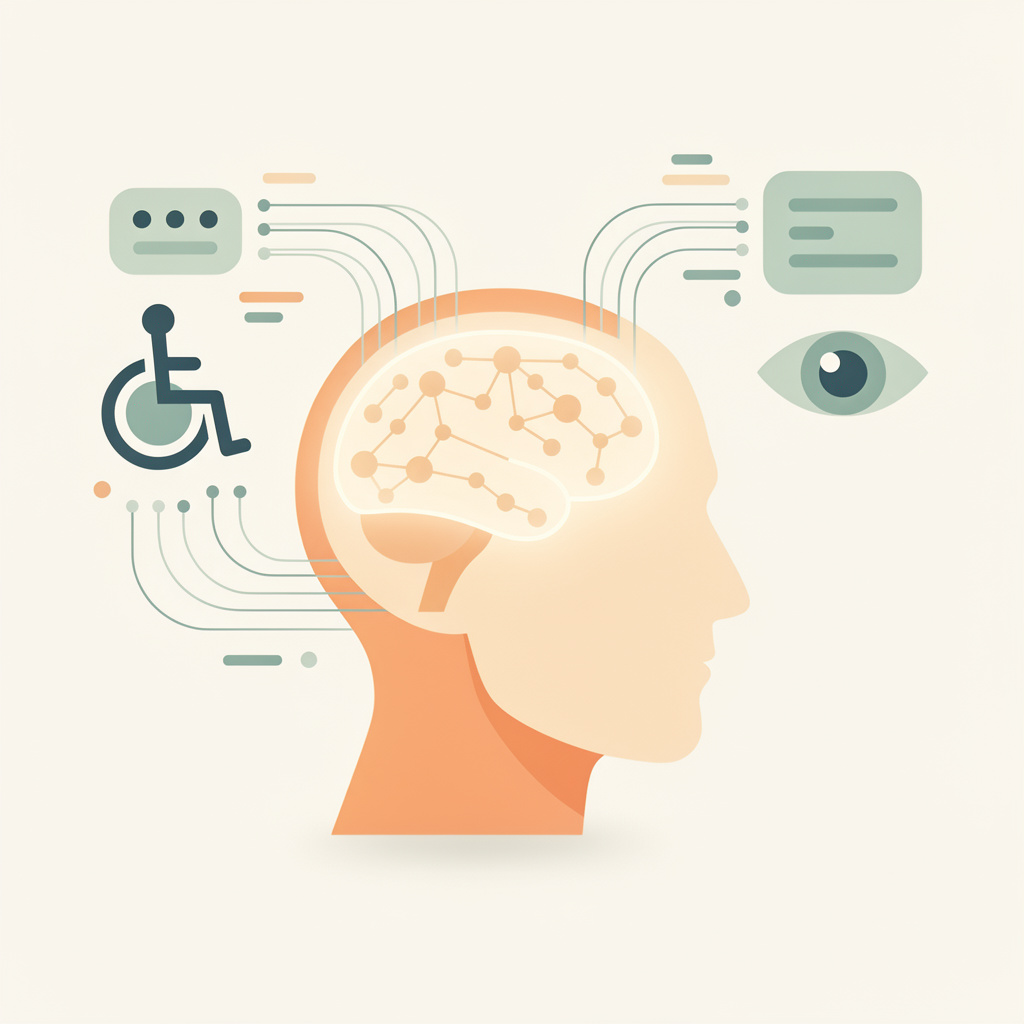
At the WELT AI Summit 2026 the subject, according to Welt, was how artificial intelligence could change medicine. At the center were so-called brain-computer interfaces (BCIs). These are devices that establish a direct connection between the brain and a computer. They read out neuronal signals and convert them into actions or information.
Clemens Fischer, CEO of Futrue, argued there in favor of using anonymized data for research and the development of new medical solutions. The applications named as possible are: paralyzed people could become mobile again, blind people could perceive visual impressions. These are prospects, not therapies that are already established.
Background & Context
The development of BCIs combines neuroscience, computer science and engineering. According to the material it is being driven forward by leading research institutions. Alongside technical feasibility, these also examine ethical and clinical challenges. Besides replacing lost abilities, BCIs are accordingly also conceivable for neuromodulation. In that case targeted impulses would be sent to nerve pathways in order to relieve pain.
Economically, a shift is becoming apparent: Fischer argues that innovations in healthcare could in future come more from technology companies than from traditional pharmaceutical corporations. According to the available information, Futrue is pursuing the goal of developing a leading BCI generation by the year 2030. Whether and how that will succeed is open. The material does not contain any proof of it.
The call for the use of anonymized data is contested. It touches on questions of data protection and of the legal framework. With brain data in particular, the question arises of how reliably information can actually be anonymized and who may use it.
What Does This Mean?
- BCIs could open up new possibilities for people with paralysis or blindness. So far, however, these are prospects for the future, not confirmed results.
- The debate about anonymized health and brain data is likely to gain importance, because research and data protection meet head-on here.
- Technology companies could play a larger role in medicine. That is how Clemens Fischer of Futrue sees it, at least.
- Ethical, clinical and technical questions remain open and are, according to the source, being examined by research institutions.
Sources
KI in der Medizin – „Gedanken können komplett gelesen werden“ (Welt)
Clemens Fischer, CEO Futrue: Innovation kommt künftig aus Tech-Laboren, nicht mehr von Pharma-Riesen (Welt)
Dr. Clemens Fischer: Wir können bereits Gedanken lesen (kiberatung.de)
Künstliche Intelligenz: Können Computer bald unsere Gedanken lesen? (Bild)
Von Krebs bis Schlaganfall: KI macht Medizin-Durchbrüche möglich (BR)
This article was created with AI and is based on the listed sources as well as the language model’s training data.
Further Reading: AI & APQC Benchmark with Microsoft Copilot