Notice: This article was created with AI.
What’s It About?
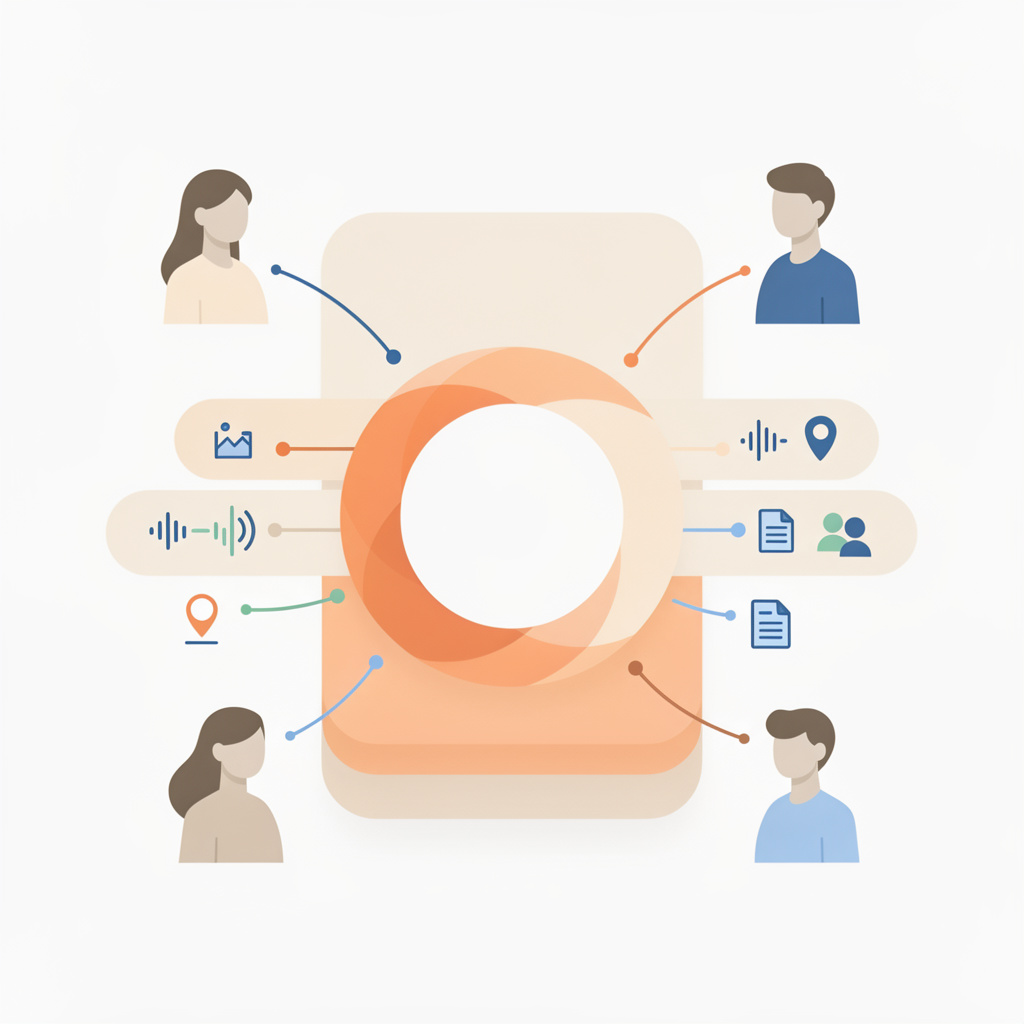
At its annual developer conference Google I/O, Google unveiled a sweeping redesign of its search engine — one the company describes as the most significant change in a quarter century. At the center is a redesigned search field that dynamically adapts to user input and, for the first time, enables combined searches using text, images, and video. Artificial intelligence is designed not only to generate suggestions, but also to act as a personal assistant that continuously sources relevant information.
Background & Context
The new design is built around a seamless transition between classical search results and AI-generated answers. The intelligent suggestions go far beyond previous autocomplete functionality, helping users formulate queries more precisely. A key new feature is so-called information agents, which continuously scan the internet for user-relevant content and deliver updates in real time. These personalized assistants are, however, only available to paying subscribers. In the US, a booking function is also being introduced, allowing users to reserve services or events based on specific criteria directly from the search field — a feature not initially planned for the German market. The integration of different media formats makes search more interactive: users can upload images, embed videos, or even include open Chrome tabs in their search queries. This is intended to simplify complex research and make the search experience more multifaceted. Industry observers see this as a direct response to growing competition from AI-powered search engines and chatbots.
What Does This Mean?
- The search field becomes a multimodal interface capable of processing various input formats simultaneously
- AI agents proactively take over information gathering, fundamentally changing the role of classical search
- Premium features will be paid, signaling a new business model for Google Search
- The Gemini 3.5 Flash architecture promises faster response times and more precise results
- The deeper AI integration could alter click behavior and have significant implications for website operators
Sources
- Google-Suche bekommt größtes Update seit 25 Jahren (PC Welt)
- Google I/O 2026: Smart-Brillen und Shopping-Agenten (Spiegel)
- Google mit neuer Suche und mehr Geschwindigkeit (Handelsblatt)
- Google macht Suchfeld zum KI-Agenten (Trending Topics)
This article was created with AI assistance and is based on the listed sources as well as the language model’s training data.
Further Reading: From Text Generator to Digital Employee: How AI Is Changing the World in Four Stages