AI Agents

AI agents are systems that do not merely answer but act: they call tools, work through tasks and make their own intermediate decisions along the way. This overview brings together the fundamentals, the fields of use in companies, the state of development and the risks that come with it.

Start here: From Text Generator to Digital Employee explains in four stages how language models turned into acting systems. Paperclip: When AI Agents Get an Org Chart shows in a real case what several agents together deliver and cost. Why Robust Governance Is Indispensable takes the control question apart.

If you want to build it yourself, the hands-on side lives in the two tool overviews: OpenClaw for a single agent on your own hardware and n8n for automated workflows.

Wie ki agenten daten konsumieren sollten
AI-News

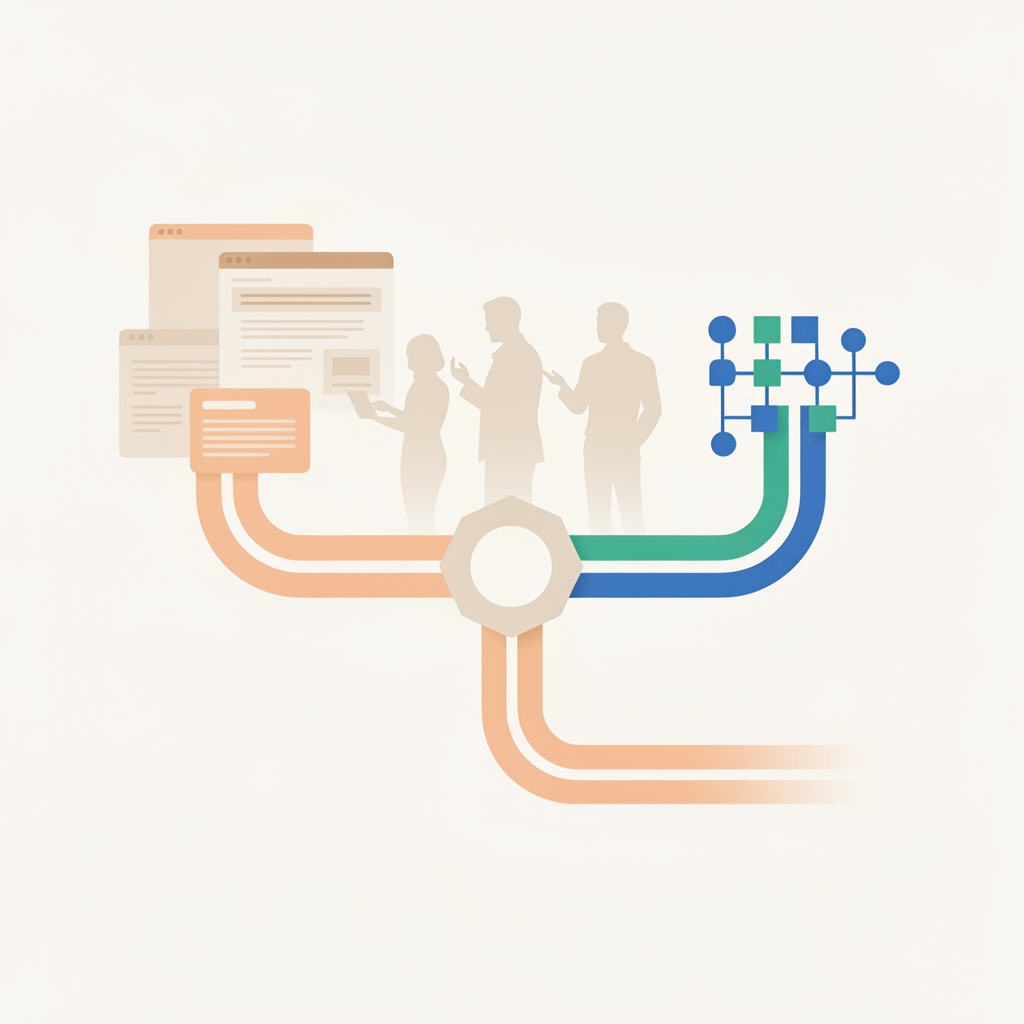
Data Access for AI Agents: Web Scraping vs. API Usage

Notice: This article was created with AI. What’s it about? Autonomous AI systems depend on continuous data access to make decisions and complete tasks. Two fundamental methods are available: directly extracting information from websites through scraping, or structured access via official programming interfaces. Both approaches have specific advantages and disadvantages that companies must consider when


Heise openclaw im selbstversuch erste schritte mit dem super ki agenten
AI-News

OpenClaw: AI Agent Put to the Test – Possibilities and Security Risks

Notice: This article was created with AI. What’s it about? OpenClaw transforms large language models into autonomous digital assistants capable of taking on far-reaching tasks on a computer. Unlike conventional chatbots, the software can independently simulate mouse clicks and keyboard inputs, control email communication, manage calendar entries, and execute programmatic commands. Installation requires no programming

Ki agenten selbst entwickeln oder kaufen
AI-News

AI Agents: Build or Buy – A Strategic Decision

Notice: This article was created with AI. What’s it about? The implementation of AI agents is evolving from experiment to production use. Business leaders now need to decide whether to rely on ready-made market solutions or develop their own systems. This choice has significant implications for competitiveness, cost, and technological flexibility. The decision requires weighing

Scroll to Top