Notice: This article was created with AI.
What’s It About?
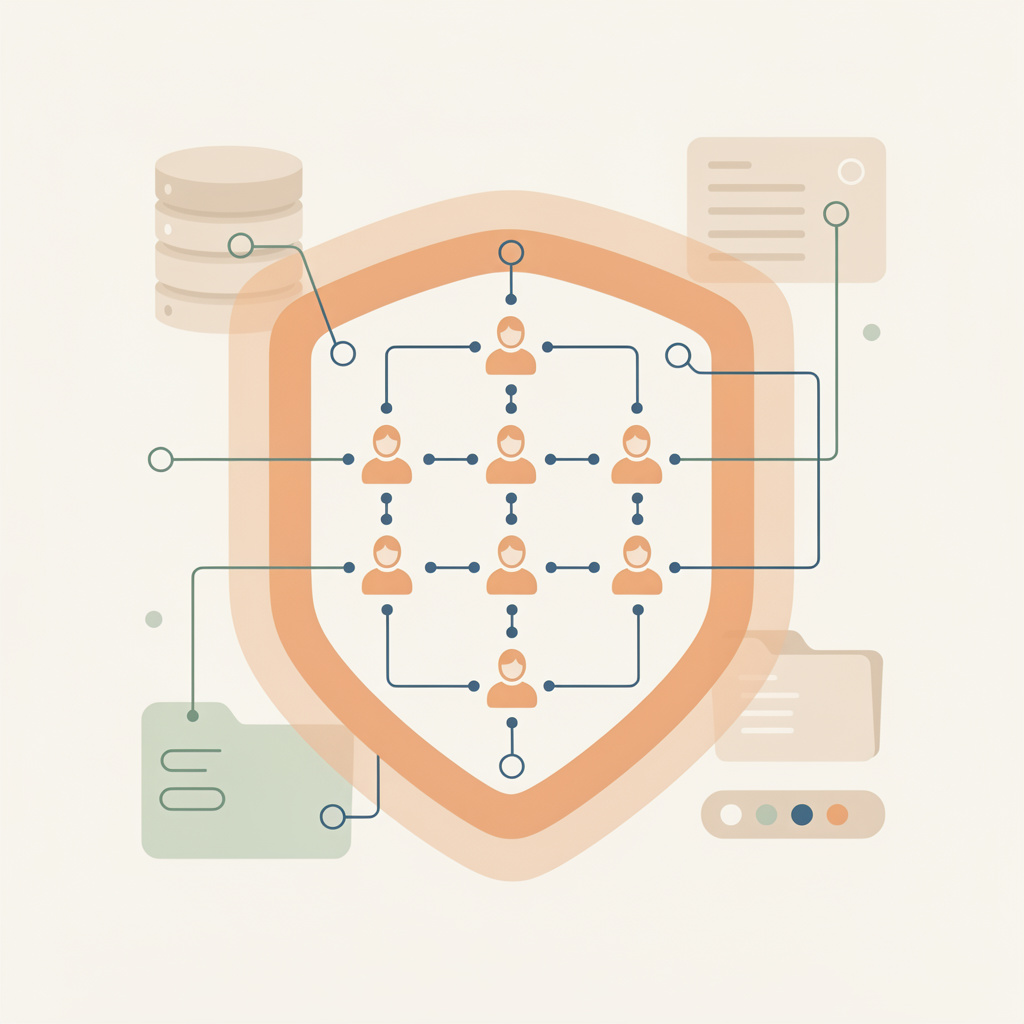
Companies are increasingly relying on autonomous AI agents to automate complex processes. But without well-thought-out governance structures, massive problems loom: from data breaches and compliance violations to uncontrolled access to sensitive information. Experts emphasize that only clear responsibilities, access controls, and auditing mechanisms make the secure operation of these systems possible.
Background & Context
AI agents act independently and make decisions based on extensive data sets. While this autonomy makes them powerful, it also carries considerable risks when control mechanisms are missing. It becomes particularly critical when several teams work on AI projects in parallel or when personal data is processed. This is where data protection regulations such as the GDPR apply, and non-compliance entails legal consequences.
A central aspect is the quality and availability of data. AI systems require access to integrated data sources that comprise both structured and unstructured information. If a central data foundation is missing or information is fragmented, AI agents cannot deliver reliable results. In addition, companies must ensure that access rights are granted according to the principle of least privilege – only authorized users may access critical resources.
The traceability of AI decisions becomes especially important in audits and regulatory reviews. Logging mechanisms document which inputs were processed, which processing steps took place, and what results they led to. This transparency builds trust and makes it possible to identify sources of error systematically.
What Does This Mean?
- Clear allocation of roles: Governance structures define precisely which teams and people are responsible for what, preventing misuse and creating clarity in complex project environments.
- Data protection and compliance: Compliant processing of personal data is not optional. Companies must ensure that their AI agents operate in a GDPR-compliant manner to avoid liability risks and penalties.
- Access control by the least-privilege principle: Sensitive data may only be viewed by authorized users. Strict access controls considerably minimize the risk of unauthorized access.
- Seamless logging: Transparent documentation of all system activities enables traceability and facilitates error analysis as well as external audits.
- Integration and data quality: Only when all relevant information sources are centrally available and of high quality can AI agents work reliably and create added value.
Sources
Ohne Governance scheitern KI-Agenten im Betrieb (Computerwoche)
Warum KI-Agenten ohne Governance zum Risiko werden (Mittelstand Heute)
Bitkom Whitepaper: Security of AI Agents (Bitkom)
AI Agents: Sicherheitsbedenken und Governance (Kiteworks)
This article was created with AI assistance and is based on the listed sources as well as the language model’s training data.
Further Reading: Paperclip: When AI Agents Get an Org Chart