CES 2026: Physical AI Transforms Industry and Autonomous Mobility
At CES 2026, physical AI took center stage: Nvidia and partners showed how AI acting in the material world could transform autonomous driving, manufacturing, and logistics.
Concise AI news on new models, tools, companies, research findings and important developments shaping the industry. Each article explains what happened, why the news matters and what it can mean in practice for users, businesses and society.
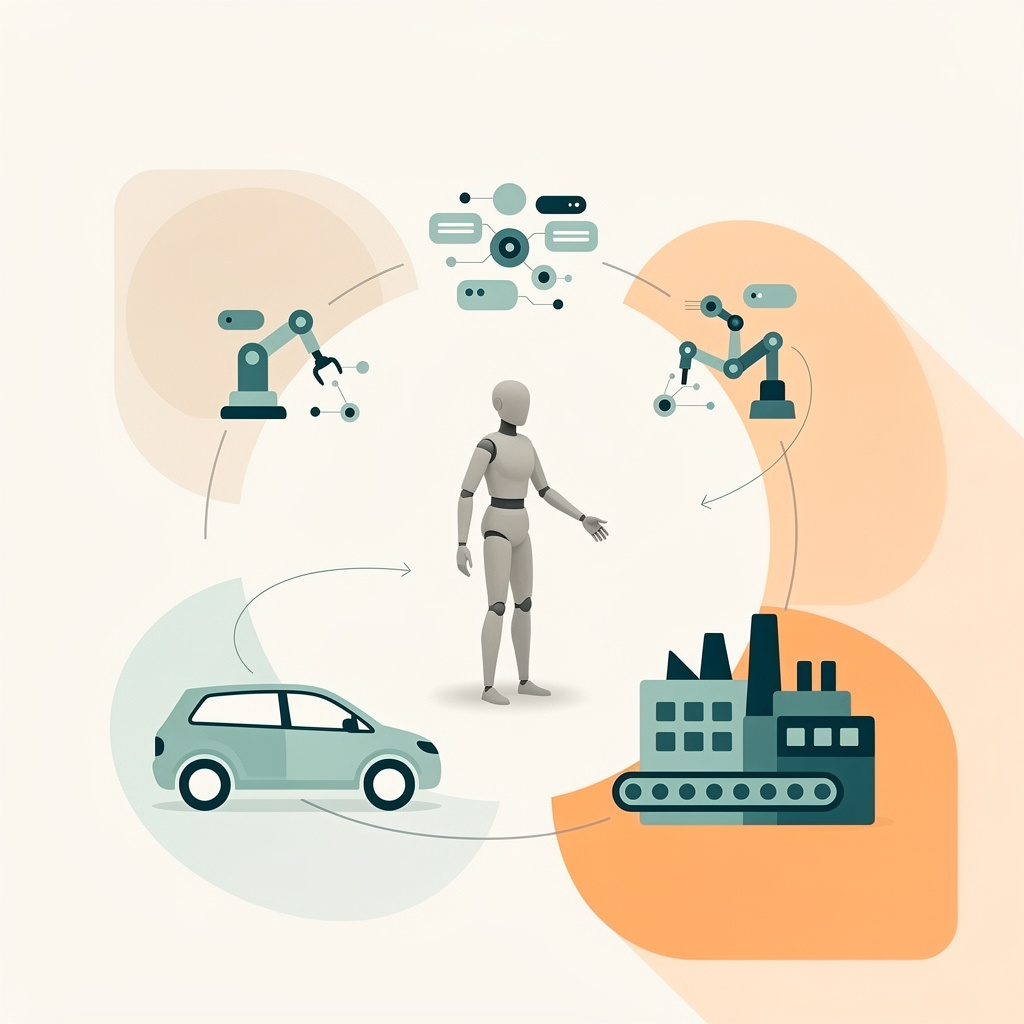
At CES 2026, physical AI took center stage: Nvidia and partners showed how AI acting in the material world could transform autonomous driving, manufacturing, and logistics.
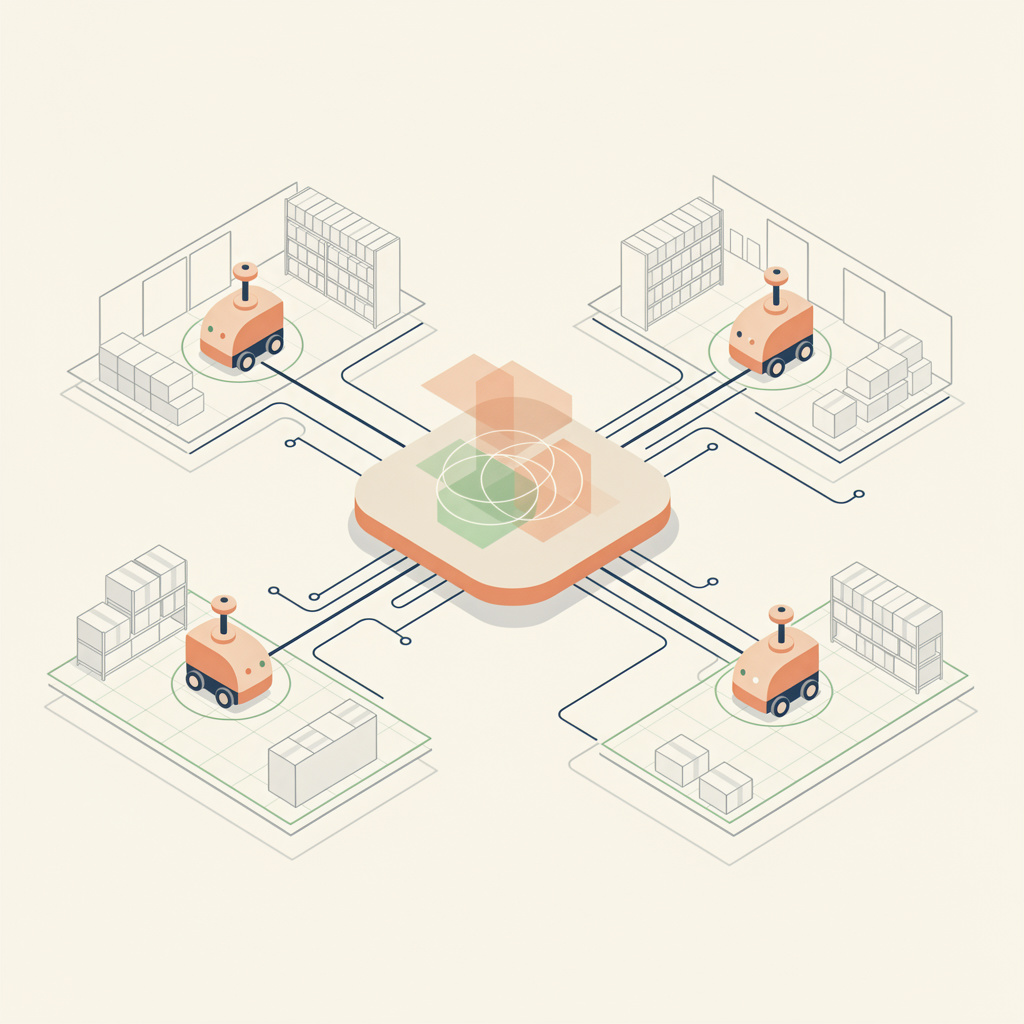
Notice: This article was created with AI. What’s it about? The Otto Group is advancing the automation of its logistics sites and is jointly developing an innovative platform with technology company Nvidia and consulting firm Reply for centrally controlling robot fleets. At the core is a so-called Robotic Coordination Layer that combines artificial intelligence with
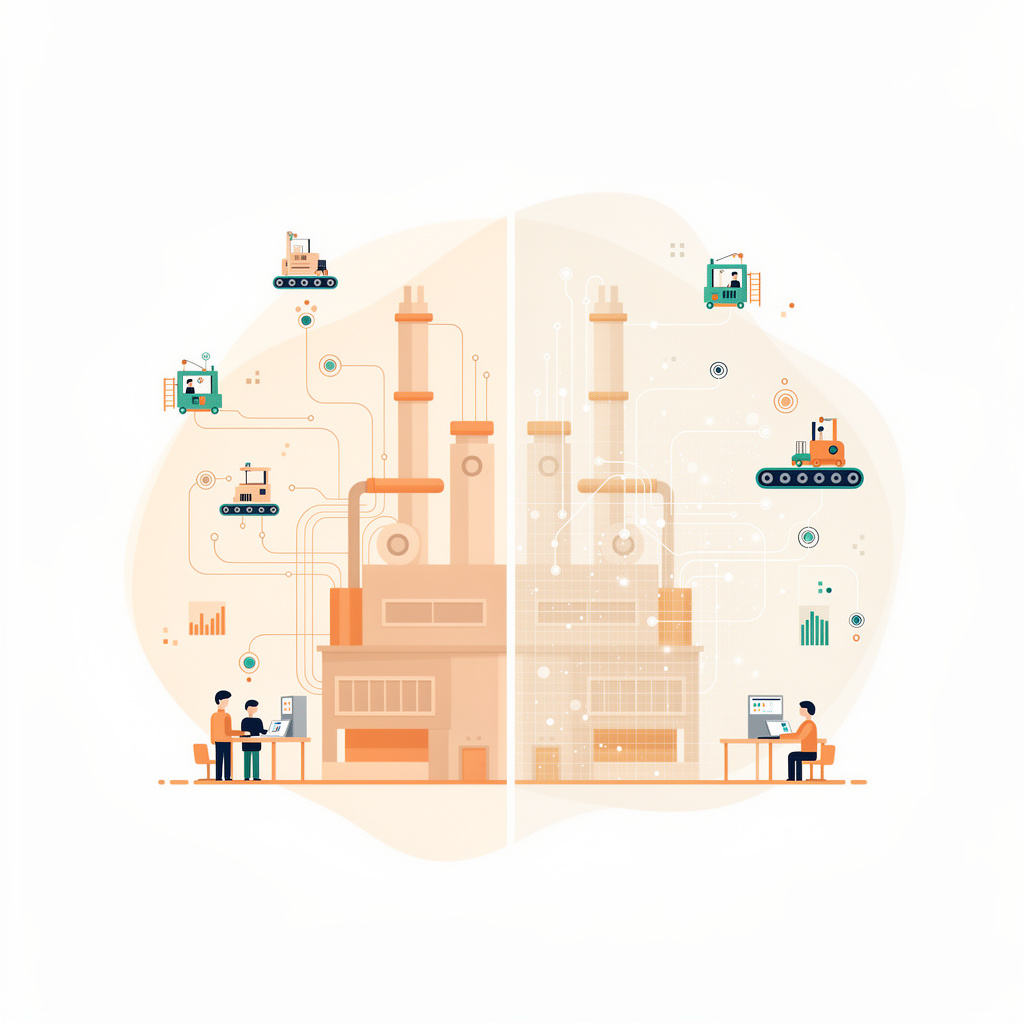
Notice: This article was created with AI. What’s it about? Siemens and Nvidia unveiled a new software platform at CES 2026 designed to establish artificial intelligence as the central operating system for industrial applications. The so-called Digital Twin Composer connects digital twins with real-time data, enabling companies to virtually simulate and optimize production processes before

Notice: This article was created with AI. What’s it about? The growing prevalence of AI tools in software development is not leading to the disappearance of entry-level positions — quite the contrary. Despite a decline in job postings for classic junior roles, practice shows that companies increasingly need to rely on early-career talent. The reason: