Notice: This article was created with AI.
What’s It About?
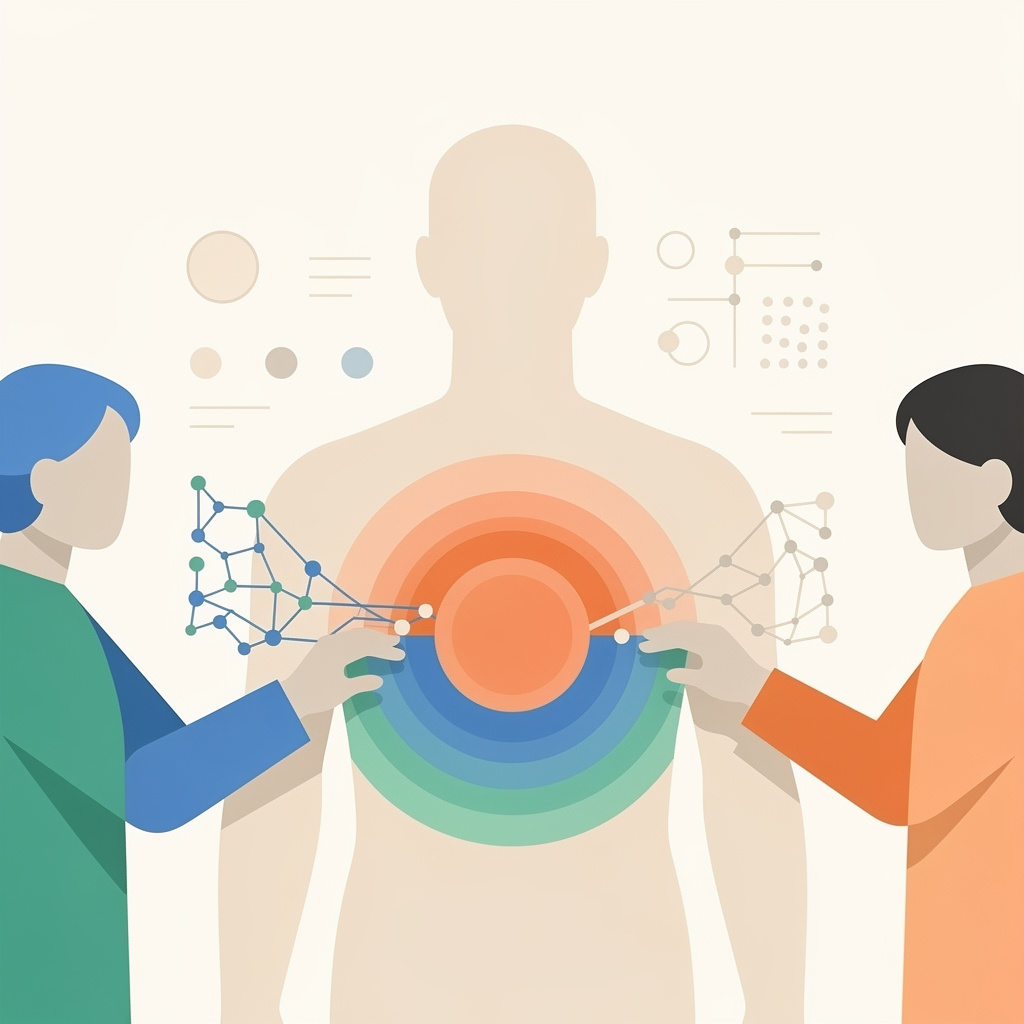
Artificial intelligence is changing the way cancers are diagnosed and treated. Modern AI systems make it possible to identify tumors at early stages and to develop treatment strategies tailored to the individual patient. As a result, invasive surgical procedures can in some cases be avoided or at least better prepared for. The technology promises faster diagnoses, more precise therapy planning, and better chances of recovery for those affected.
Background & Context
The role of AI in cancer medicine extends across several central areas. In image-based diagnostics, algorithms can analyze medical scans and detect even tiny changes that are difficult for the human eye to recognize. This leads to considerably earlier detection of tumors. In parallel, the evaluation of genetic information enables the identification of specific mutations responsible for the development of cancers. On this basis, targeted therapeutic approaches can be developed.
Particularly innovative are adaptive treatment systems that can adjust therapy plans to anatomical changes during ongoing treatment. These technologies take into account that the body and the tumor change during therapy. In addition, the automation of recurring analysis tasks relieves medical staff and creates more capacity for direct patient care. Bringing together various data sources – from genome analyses and imaging procedures to clinical trial results – enables comprehensive and individually tailored treatment recommendations.
What Does This Mean?
- Patients benefit from faster diagnoses, as evaluating medical data now takes minutes instead of days
- Personalized therapeutic approaches increase the chances of success, because treatments can be matched to individual genetic profiles
- The error rate falls through standardized AI-supported analyses, which improves the quality of medical care
- Adaptive systems make treatments gentler and more effective by being continuously adjusted to changes
- Physicians gain time for patient-oriented activities while routine tasks are automated
Sources
Krebs behandeln, bevor operiert wird (IT-Business)
KI in der Krebsversorgung (Siemens Healthineers)
Künstliche Intelligenz in der Krebsmedizin (MammaMia Online)
Artificial Intelligence in Oncology (Frontiers in Oncology)
This article was created with AI assistance and is based on the listed sources as well as the language model’s training data.
Further Reading: How Large Language Models (LLMs) Can Reinvent Learning – If You Let Them