Notice: This article was created with AI.
What’s This About?
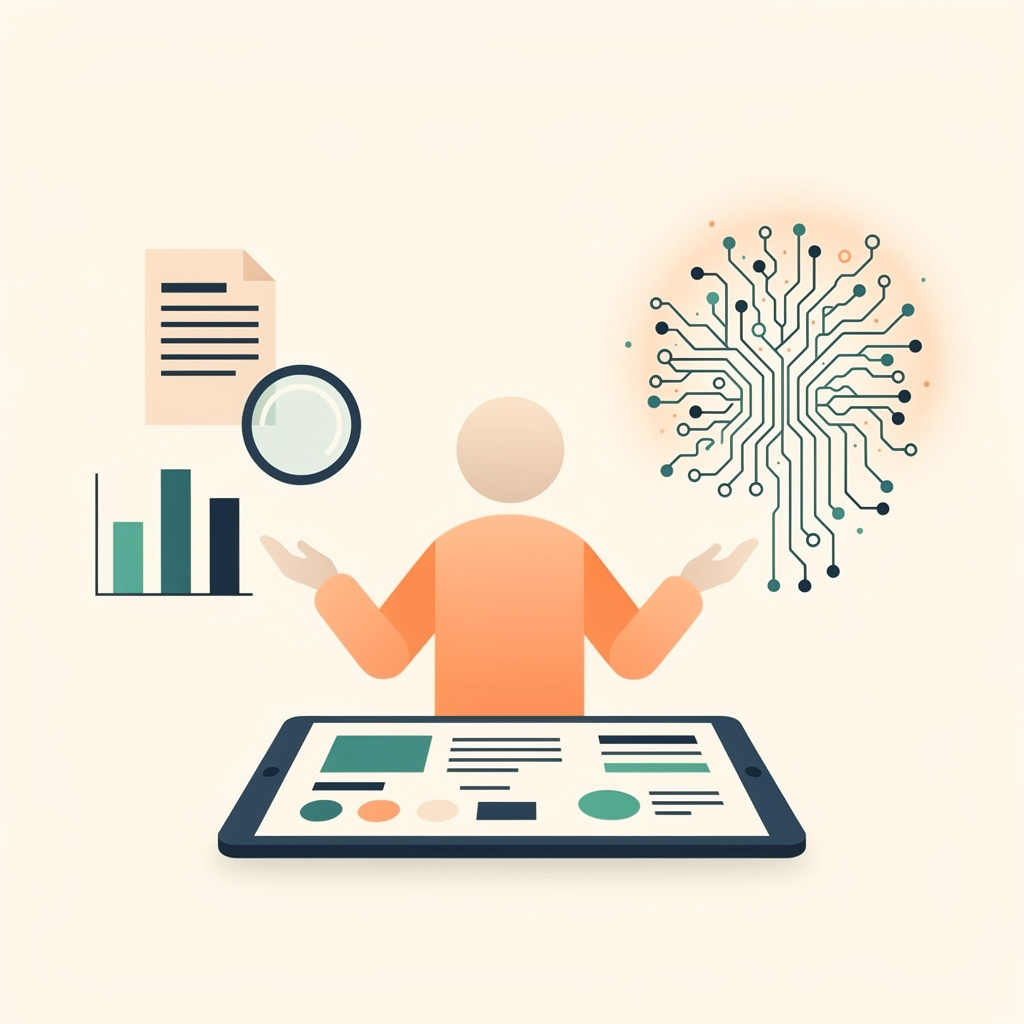
The auditing industry is currently undergoing a profound transformation driven by artificial intelligence. Current figures show that 39 percent of internal auditors already use AI systems in their daily work. This technological development is changing not only work processes but also the requirements for professionals themselves. Where sampling and manual document reviews once dominated, intelligent systems today enable complete data analyses and automated processes.
Background & Context
The transformation in the auditing industry is driven by several factors. Cloud-based AI agents significantly accelerate audit processes while simultaneously reducing costs. Routine tasks such as document recognition or the identification of anomalies are increasingly handled by intelligent systems. This leads to a fundamental shift in areas of activity: traditional entry-level tasks that were typically performed by junior staff are partially eliminated or automated.
Universities face the challenge of adapting their training programs. Future auditors need not only the classic business administration and legal foundation, but must also develop skills in data analysis and programming languages such as Python. A deep understanding of how AI technologies work will be essential to correctly interpret and evaluate analytical results. At the same time, regulatory requirements and legal provisions are tightening the standards for audit processes, further increasing complexity.
What Does This Mean?
- New competency profiles: Auditors of the future must combine technical skills with classic audit knowledge and master the collaboration between humans and AI.
- Efficiency gains: Through more comprehensive data analyses, audit quality is improved while time and resources can be saved simultaneously.
- Changing entry-level positions: Traditional tasks for career starters are changing fundamentally, opening up new career paths and development opportunities.
- Training reform required: Universities and training institutions must adapt their curricula to prepare students for digitized audit practice.
- New business fields: AI integration opens up additional consulting fields for audit firms around digital transformation and technology deployment.
Sources
- Industry in Transition: How the Auditor of the Future Works with AI (FAZ)
- Questions and Answers on the Use of AI in Auditing (Wirtschaftsprüferkammer)
- Auditing and AI: Career Strategies (High Potential)
- AI and Balance Sheets: What You Need to Know to Become an Auditor (FAZ)
Further Reading: From Rule-Based Chatbots to Modern LLMs: How Machines Learned to Speak and Why It Matters Today
📥 Free AI training: Free AI Training: Your AI Coach for Difficult Leadership Situations [Download]