What’s it about?
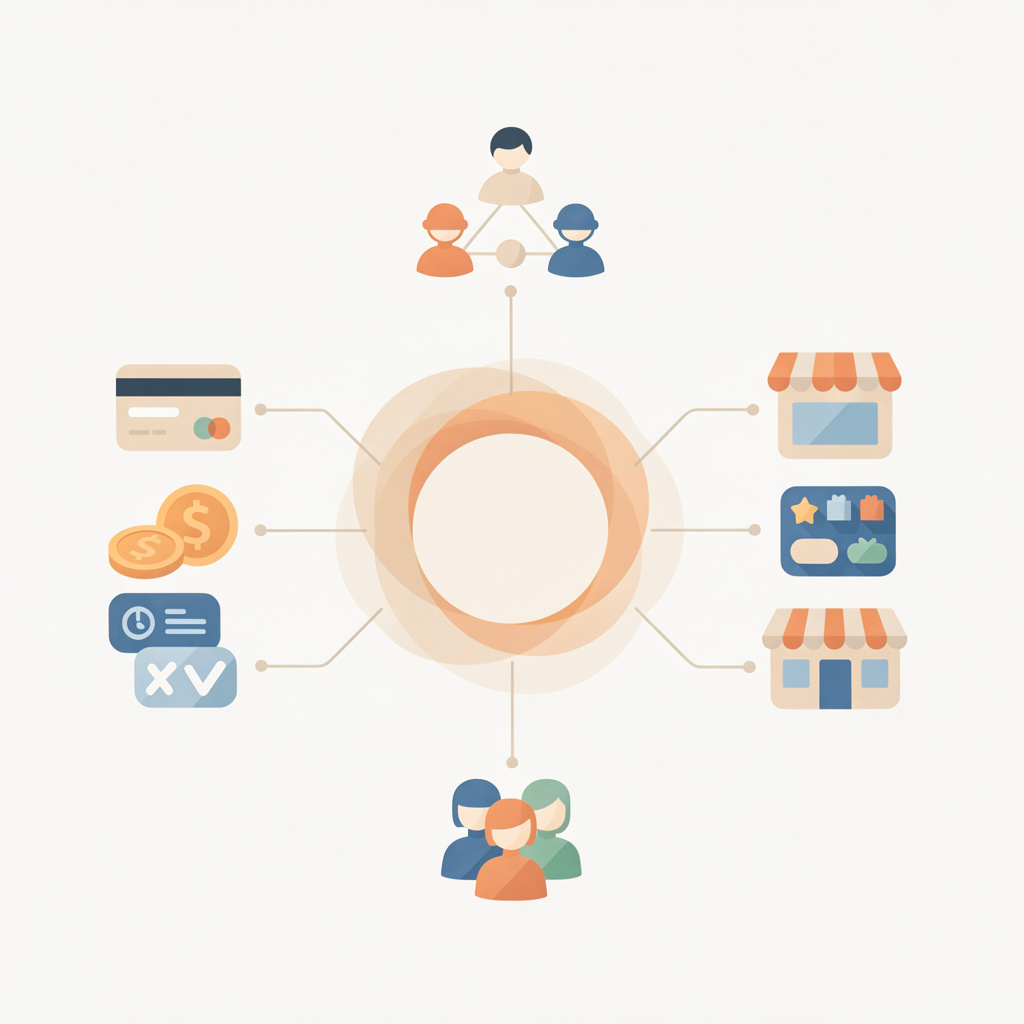
Google has unveiled a new open standard for digital commerce: the Universal Commerce Protocol (UCP) is designed to link AI agents, payment providers, and e-commerce platforms through a unified interface. At the same time, the tech giant is launching the Google Business Agent — a virtual sales advisor that answers customer queries directly in search results and is intended to simplify the buying process.
The first pilot projects are already running with US retailers such as Lowe’s and Reebok. Users will in future be able to pay via Google Pay or, soon, PayPal without leaving the Google environment. Additionally, the new “Direct Offers” program allows brands to deliver special offers directly within the AI-powered search mode.
Background & Context
The Universal Commerce Protocol builds on existing standards and is compatible with protocols such as Agent2Agent (A2A), Agent Payments Protocol (AP2), and Model Context Protocol (MCP). This interoperability is intended to significantly simplify implementation for merchants, as they do not need to build entirely new systems.
The Google Business Agent can be activated in Google Merchant Center and enriched with company-specific data. This creates individualized user experiences that go beyond standardized product information. The AI agents can not only assist in the purchasing process but can also be deployed in customer service — advancing the automation of customer interactions.
Industry observers see this move as Google’s attempt to strategically position itself in an e-commerce market increasingly shaped by AI agents. After the initial phase in the US, an international expansion is planned, though the exact timeline remains open.
What does this mean?
- New sales channels: Merchants can connect with potential buyers directly in Google Search via AI agents, without requiring them to switch to external stores.
- Simplified integration: Thanks to compatibility with established protocols, existing systems can be connected relatively easily.
- Data-driven personalization: Enriching the Business Agent with company data enables tailored customer interactions and can increase conversion rates.
- Strategic dependency: Increasing integration into the Google ecosystem carries the risk of greater platform dependency for merchants.
- Competitive pressure: Early adopters could secure advantages in visibility and user navigation, while hesitant companies risk losing market share.
Sources
Google introduces new AI protocol for e-commerce (Computerwoche)
Google brings new tools for AI-powered commerce (Netzwoche)
Google launches Universal Commerce Protocol, bets on AI-powered retail (CNBC)
Agentic Commerce: AI tools and protocol for retailers (Google Blog)
AI shopping agents in online commerce (ZDF heute)
This article was created with AI and is based on the cited sources and the language model’s training data.