Notice: This article was created with AI.
What’s It About?
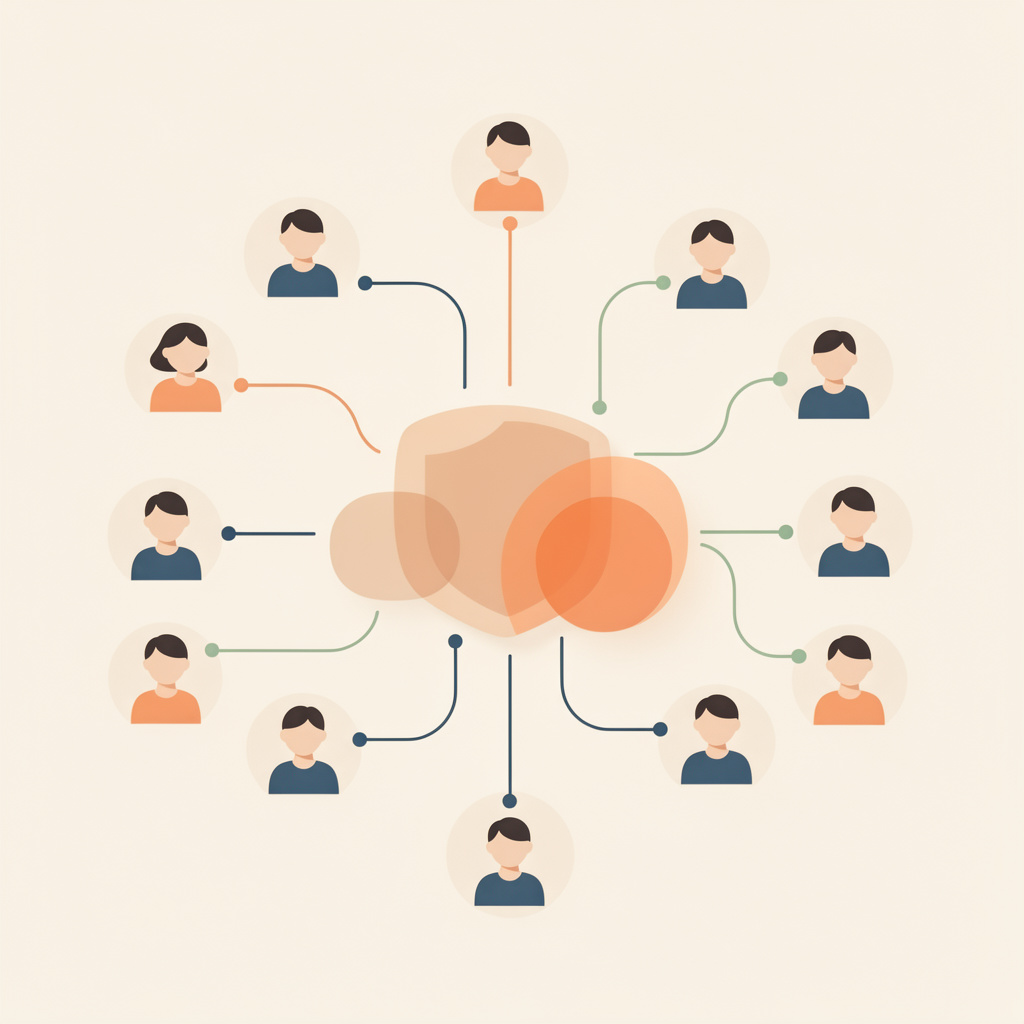
Cisco has developed an internal AI assistant for its roughly 90,000 employees that serves as a central platform for various AI-powered functions. The system unites tools for software development, human resources, and other business areas under a single interface. With this, the company is responding to the growing use of external AI tools and the associated security risks posed by so-called shadow AI.
The platform enables access to different AI models such as Azure OpenAI and Google Gemini. Internal surveys show that more than 90 percent of employees use the system. Of these, 79 percent report time savings and 72 percent report productivity gains. In software development, an average of six hours per week can be saved.
Background & Context
The development of the assistant was prompted by discussions in management as the use of public generative AI services such as ChatGPT increased. Instead of banning external tools, Cisco opted for a controlled internal solution that ensures security standards while at the same time meeting employees’ needs.
Technically, the assistant is based on a microservices architecture that enables the flexible integration of new AI applications. The already integrated functions include the automated creation of unit tests, the sharing of AI prompts between team members, and HR functions such as vacation requests. The system is modular in design, so that new services can be added quickly.
For the future, Cisco plans to introduce personalized AI agents that can independently handle routine tasks. This would enable the automation of further work processes and relieve employees of recurring administrative activities. The company sees this development as a strategic step to increase competitiveness.
What Does This Mean?
- Controlled innovation: Through central AI platforms, companies can meet both security requirements and promote their employees’ productivity without having to do without external tools.
- Measurable efficiency gains: The documented time savings of an average of six hours per week in development show the concrete potential of AI assistants in a corporate context.
- High acceptance: A usage rate of over 90 percent suggests that internally developed AI solutions can find broad application when well implemented.
- Flexible architecture: The microservices structure makes it possible to respond quickly to new AI developments and integrate different models without having to rebuild the overall system.
- Strategic advantage: Large organizations that build their own AI infrastructures can better map specific business processes while preserving data sovereignty.
Sources
Ciscos KI-Assistent: Ein Alleskönner für den Arbeitsalltag (Computerwoche)
Cisco’s in-house AI assistant is a jack of all trades (CIO)
Cisco-Mitarbeiter erhalten KI-Agenten (IT-Daily)
Cisco employees will soon have their own AI agent (Entrepreneur)
KI-Assistenten: Cisco-Nutzer sparen 6 Stunden pro Woche (Ad-hoc-news)
This article was created with AI assistance and is based on the listed sources as well as the language model’s training data.
Further Reading: OpenClaw: How a WhatsApp Message Becomes an Acting AI Agent