FOUNDIC.org is an independent webpage about Artificial Intelligence. The articles are written with AI and are the responsibility of people who use, understand, and critically evaluate AI themselves. We are not a corporate blog or a PR platform. We are a small team from Erfurt, writing in our spare time about what we ourselves want to know. Our driving force: AI must not remain a privilege of tech experts. We want to bring everyone along, regardless of prior knowledge or profession.
What You’ll Find Here
FOUNDIC.org consists of four areas that together form a complete picture of the AI world:
AI-News
Daily news briefs covering the most important developments in the AI industry: new models, tool updates, company news, research results. Concise, contextualised, in German and in English as well.
AI-Topics
In-depth articles on specific AI topics: How does a large language model actually work? What does AI mean for the job market? What legal questions remain unanswered? Our topic articles are more extensive, more thoroughly researched, and intended to provide genuine understanding rather than just surface-level information.
AI-Projects
Practical tutorials for self-hosting AI tools: step-by-step instructions for setting up your own AI infrastructure, because we believe that control over your own data and tools is a fundamental right, not a luxury.
AI-Training
We are planning free training sessions to help people with no technical background get started with AI. Practical, accessible, and free of charge, because knowledge should not have a price tag.
Our Perspective
We do not believe in AI hype, but we do not believe in AI panic either. We try to look at developments as they are: sometimes impressive, sometimes overhyped, sometimes concerning, but always worth understanding.
Our editorial approach is independent. We are not sponsored by any AI company, receive no affiliate commissions for tool recommendations, and pursue no commercial interests. Our content reflects our own experiences, assessments, and research.
We are committed to Open Source. Wherever possible, we give priority to open tools, open models, and open standards. We believe that transparent, freely accessible technology is the only way to ensure that the benefits of AI reach society as a whole, and not just those who can afford expensive proprietary systems.
The Team
The four names on this page — Christian, Michael, Nicole and Sarah — are roles, not people. They name the perspective an article is written from: technology, business, education, marketing. The biographies below are invented and are meant to make that perspective tangible. The texts are written with AI; who runs the site and is responsible for it is stated in the legal notice.
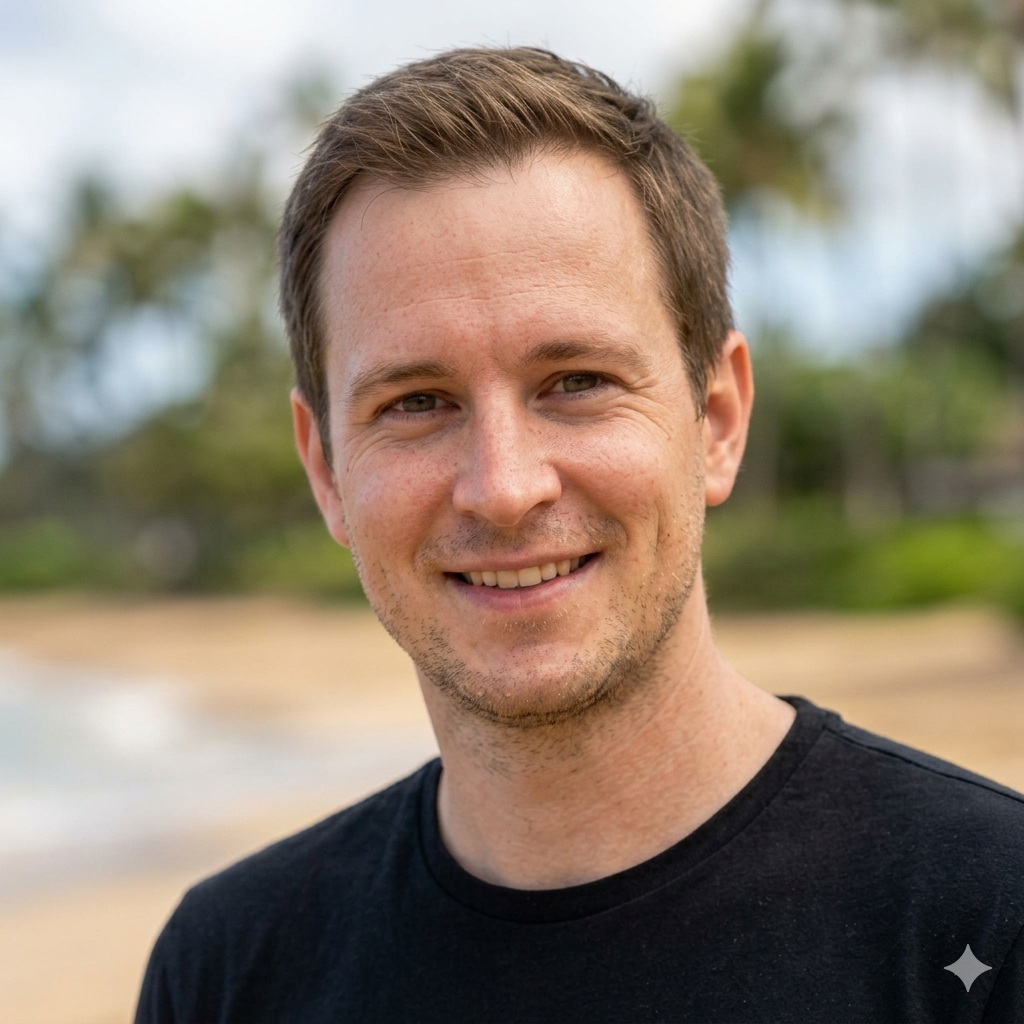
Christian
Senior Project Manager & AI Expert
Christian (b. 1992, Erfurt) studied business informatics and innovation management and today works as a senior project manager and product owner in the digital industry. He is an expert in process automation and the practical use of AI tools at work. At FOUNDIC.org he is responsible for the AI News: he follows current developments in the AI industry, puts individual reports into context, and explains why they matter for users, for companies and for society.

Michael
Head of Department & AI Practitioner
Michael (b. 1984, Erfurt) studied business administration and today heads a corporate development department. He brings a deep understanding of market mechanisms and economic context. At FOUNDIC.org he is responsible for AI-Projects, and he builds the systems he writes about himself. Whether a tool is worth its price does not show, in his view, on the data sheet, but at the latest in the night when it will not run. That is why his guides document not only the successful end state, but the detours, the mistakes and the fixes as well.

Nicole
Learning & Development Manager
Nicole (b. 1985, Erfurt) studied business education and works as a learning and development manager — responsible for making people fit for digital transformation. From her working life she knows the questions and uncertainties that AI raises in people without a technical background. At FOUNDIC.org she is responsible for AI-Training and turns it into understandable learning material with exercises, prompts and downloads. Her aim: not just to explain AI, but to enable people to use it independently and sensibly.

Sarah
UX Designer & Online Marketing Specialist
Sarah (b. 1994, Erfurt) studied digital marketing and works as a UX designer and online marketing specialist at a digital agency. She understands how content has to be built so that it gains attention in today’s flood of information and still stays understandable. At FOUNDIC.org she is responsible for AI-Topics and combines thorough research with vivid storytelling, context and comparison. From UX design she brings one simple editorial rule: every paragraph has to be clear on first reading — otherwise it gets rewritten.
Whether humans or machines stand behind these lines? A legitimate question. We deliberately leave it open.
FOUNDIC.org is ad-free, free of charge and made in our spare time. If you would like to support that:  Treat us to a coffee