Notice: This article was created with AI.
What’s it about?
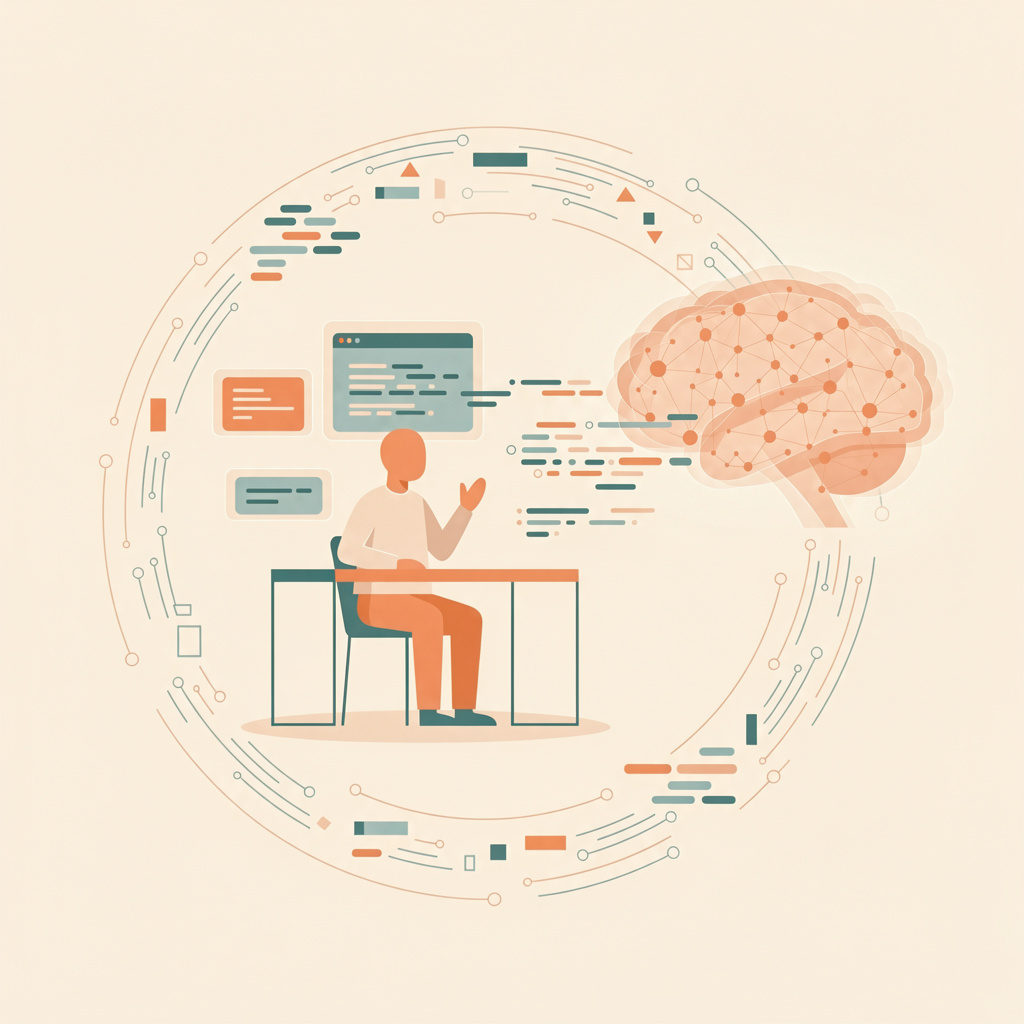
Spotify has fundamentally changed the way software is developed. Since December, developers at the streaming service have been using an internal system based on artificial intelligence that largely replaces manual programming. Instead of writing code themselves, engineers issue instructions in natural language — the AI translates these into functioning program code.
The system allows developers to issue commands even from their smartphones, for example via communication platforms like Slack. Bug fixes or new features can thus be initiated without direct access to the code base. The technological foundation is Claude Code from Anthropic, which interprets natural language and converts it into technical requirements.
Background & Context
The introduction of this automation system has significantly increased development speed at Spotify. According to various reports, the time for implementing new features was reduced from several weeks to just a few days. More than 50 AI-based features are said to have been created this way, including features such as playlists generated based on text input.
The role of developers is changing fundamentally through this technology. They are increasingly acting as architects and strategic decision-makers who monitor and control the AI, rather than producing code line by line themselves. Quality assurance and testing are integrated into the automated workflow, reducing manual reviews.
However, this development also carries challenges. The permanent availability and the possibility of initiating development tasks at any time and from anywhere could increase the risk of burnout among developers. The boundaries between work time and leisure are increasingly blurring when programming becomes possible via smartphone command.
What does this mean?
- AI-powered development tools can significantly shorten time-to-market for new software products and create competitive advantages
- The changed requirements for developers demand new qualification profiles: less focus on programming details, more on system architecture and AI management
- Companies must ensure clear workplace protection regulations when introducing such systems to prevent employee overload
- The integration of AI into development processes requires robust quality assurance mechanisms to guarantee the reliability of automatically generated code
- Spotify’s approach could serve as a blueprint for other tech companies and increase pressure on competitors to develop similar automation strategies
Sources
AI tools take over programming at Spotify (Computerwoche)
Spotify Co-CEO: Top developers no longer write code thanks to AI (Heise)
Spotify: AI development without code (Hardware News)
Spotify developers no longer write code (WinFuture)
This article was created with AI and is based on the cited sources and the language model’s training data.
Further Reading: From Text Generator to Digital Employee – AI Changing the World in Four Stages